Instrument catalog
Self-Retaining Retractors
Self-retaining retractors combine a frame or hinged body with a locking mechanism and working blades or prongs. Buyers should distinguish the named pattern, spread, blade configuration, prong count, blunt or sharp form, and any interchangeable components.
Functional inspection should cover smooth opening, secure locking, symmetry, mating parts, and the agreed working range. Replacement parts and set configuration should be tied to the same controlled reference system.
Showing 241–264 of 439 instruments
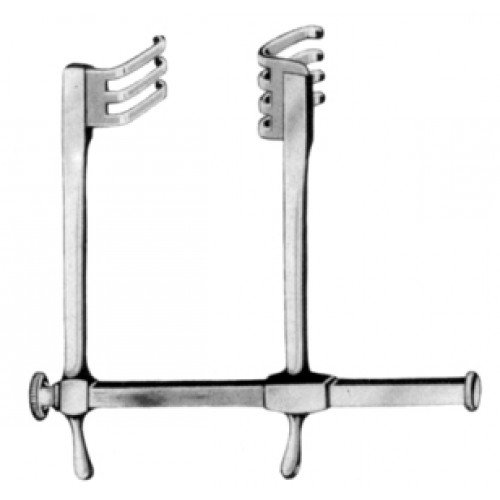
Self-Retaining RetractorsTemple-Fay Laminectomy Retractor 48x40mm 11cm
6884•Made to order
Request quote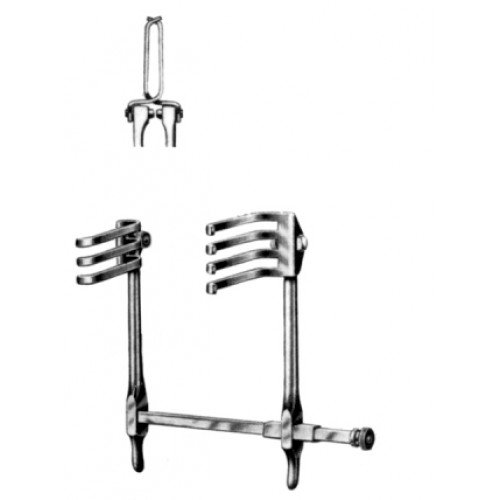
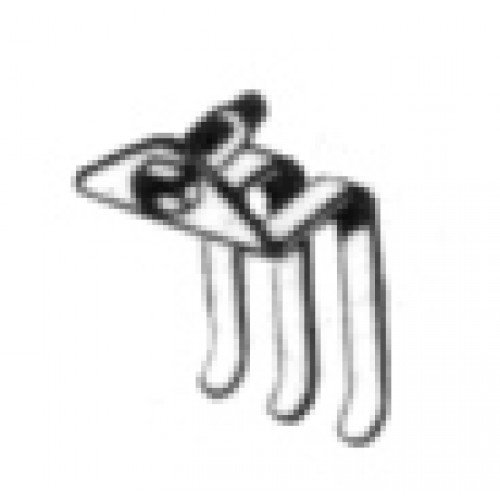
Self-Retaining RetractorsBlade for Temple-Fay-Ulrich Retractor, 3 prongs, 45mm
6888•Made to order
Request quote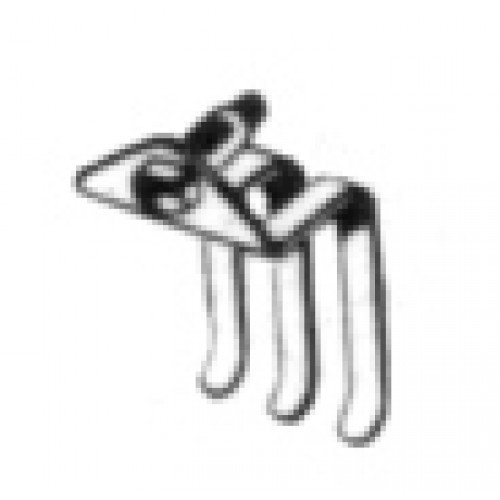
Self-Retaining RetractorsBlade for Temple-Fay-Ulrich Retractor 3 prongs, 60mm
6890•Made to order
Request quote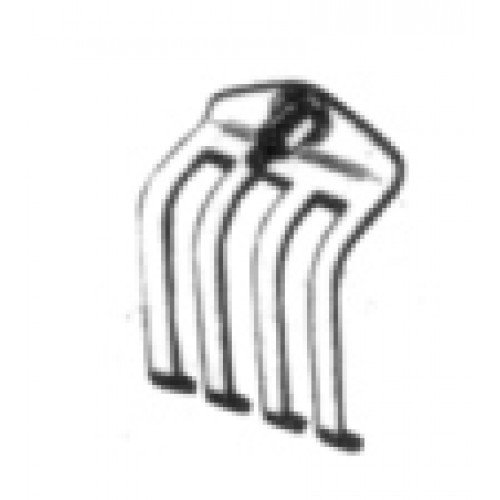
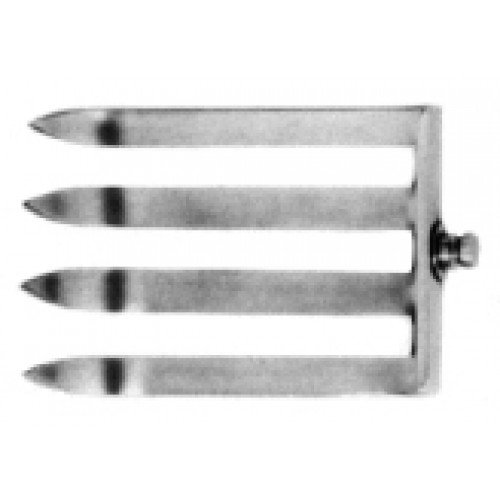
Self-Retaining RetractorsBlade for Temple-Fay-Ulrich Retractor 4 prongs, 45mm
6892•Made to order
Request quote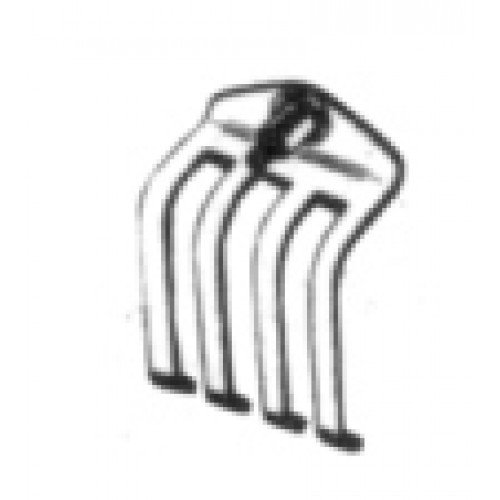
Self-Retaining RetractorsBlade for Temple-Fay-Ulrich Retractor 4 prongs, 60mm
6894•Made to order
Request quote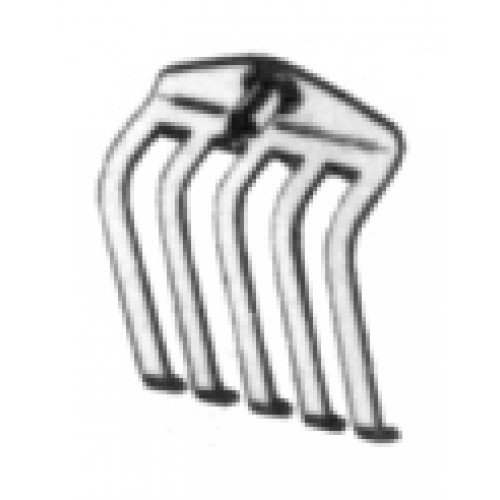
Self-Retaining RetractorsBlade for Temple-Fay-Ulrich Retractor 5 prongs, 60mm
6896•Made to order
Request quote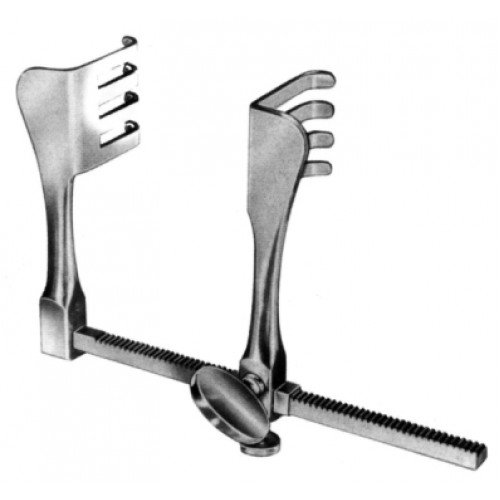
Self-Retaining RetractorsBadgley Hemilaminectomy Retractor 55x44x165mm
6898•Made to order
Request quote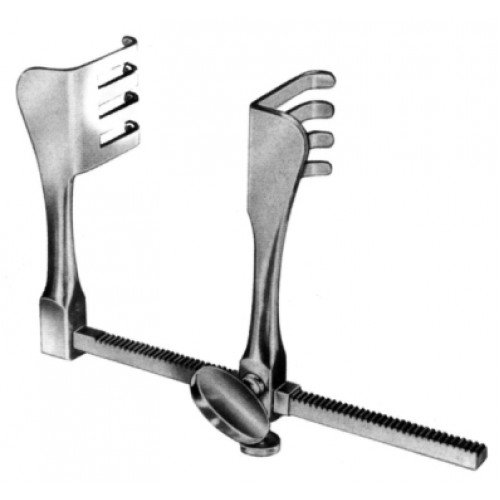
Self-Retaining RetractorsBadgley Hemilaminectomy Retractor 60x44x165mm
6900•Made to order
Request quote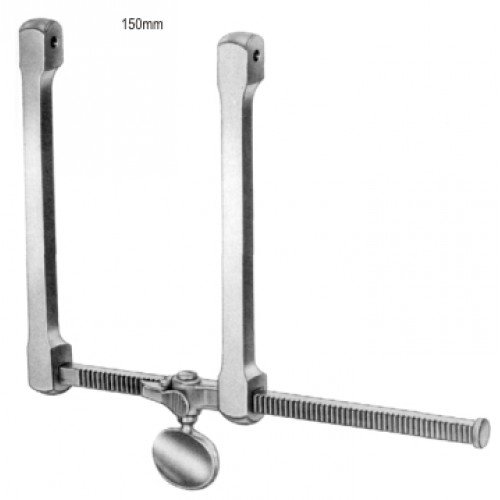
Self-Retaining RetractorsScoville Laminectomy Retractor 15cm (Frame only)
6902•Made to order
Request quote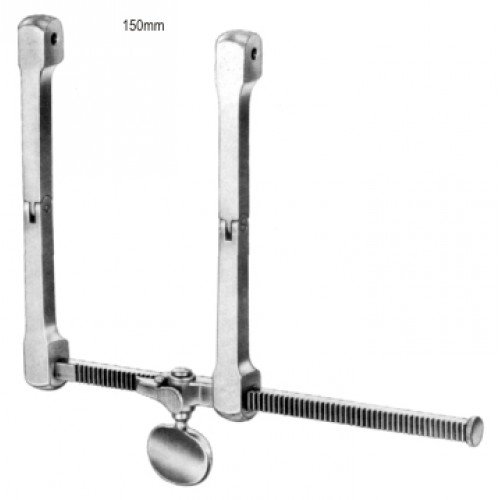
Self-Retaining RetractorsScoville Harverfield Retractor 15cm Frame only
6904•Made to order
Request quote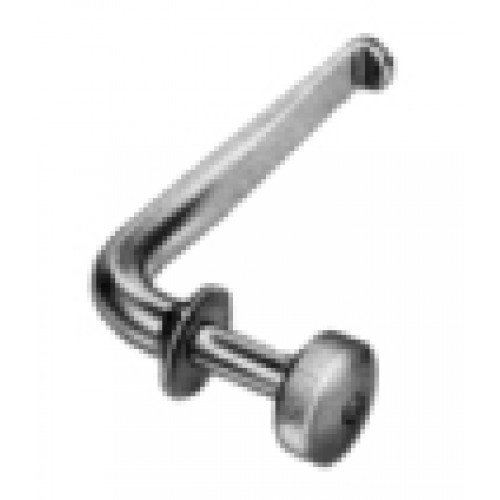
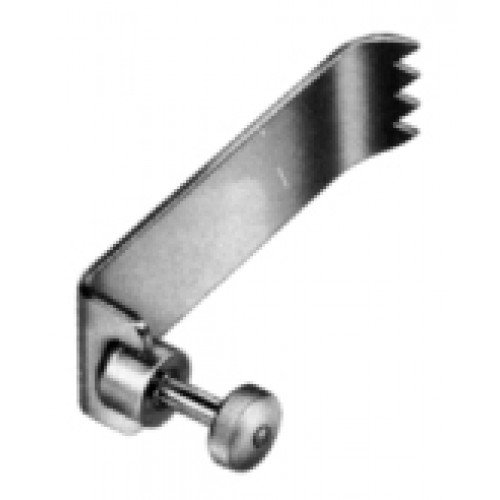
Self-Retaining RetractorsScoville Blade 64x25mm for Laminectomy Retractor
6914•Made to order
Request quote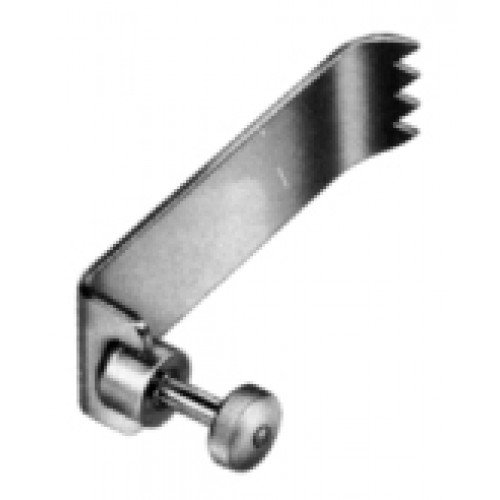
Self-Retaining RetractorsScoville Blade 64x50mm for Laminectomy Retractor
6916•Made to order
Request quote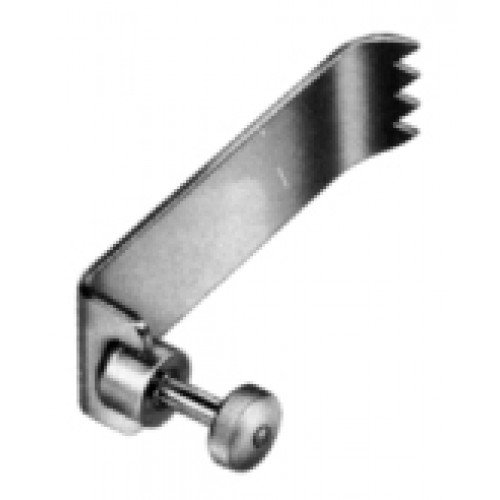
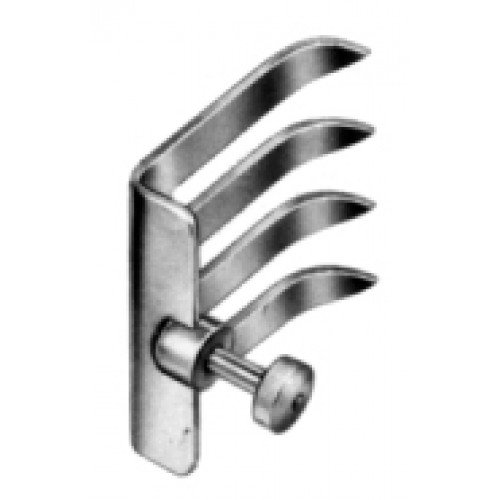
Self-Retaining RetractorsScoville Blade 88x25mm for Laminectomy Retractor
6918•Made to order
Request quote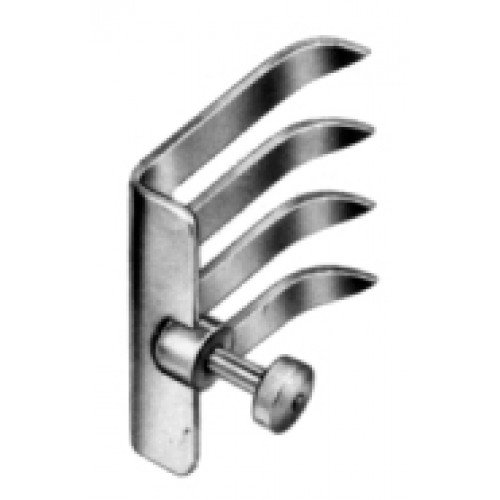
Technical buyer guide
Procurement considerations for self-retaining retractors
- Working spread and frame size
- Prong or blade configuration
- Locking mechanism
- Interchangeable parts and set contents
Buyer FAQs
How should locking action be specified?
Use an approved sample or documented acceptance criteria covering travel, engagement, release, and stability through the working range.
Should blades be listed separately?
Yes. Interchangeable blades or accessories should have their own dimensions and references within the set specification.