Instrument catalog
Rhinology
Rhinology ranges cover specula, forceps, scissors, elevators, curettes, rasps, punches, and suction instruments for nasal access and surgery. Working-end width, angle, curvature, length, and handle form separate closely related references, so the named pattern alone is rarely a complete specification.
Buyers should record the exact pattern and working dimensions, then define magnified visual checks for fine tips and cutting edges. Protective packaging that shields delicate working ends during handling and transport belongs in the accepted specification.
Showing 361–384 of 399 instruments
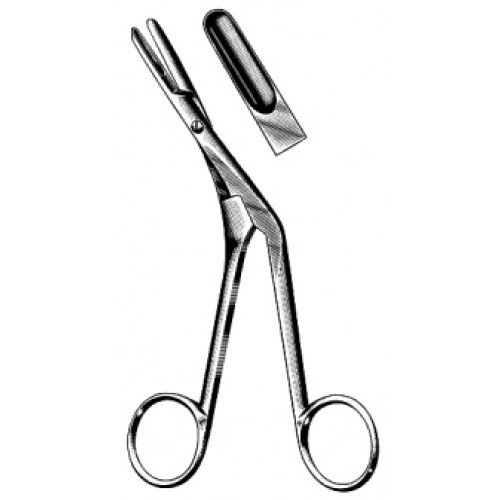
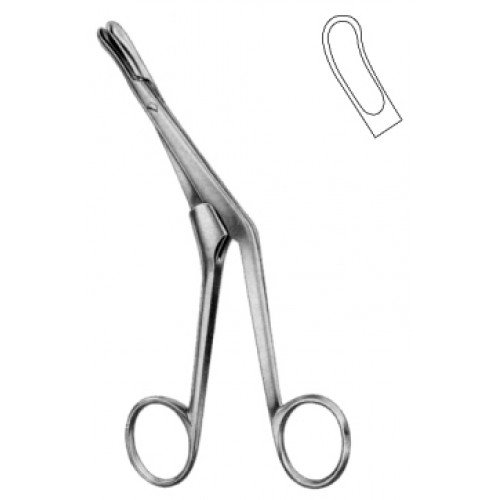
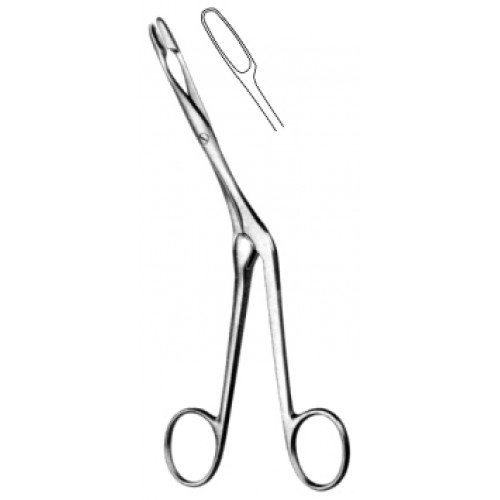
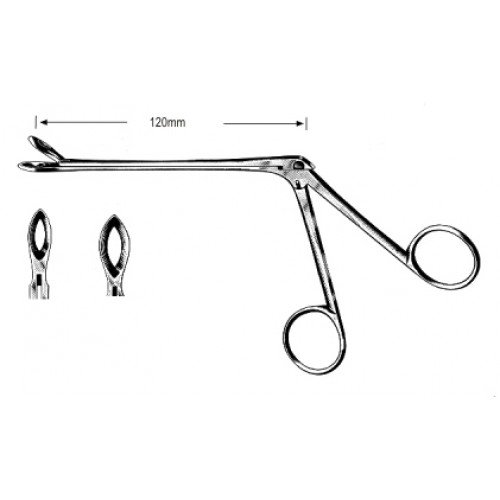

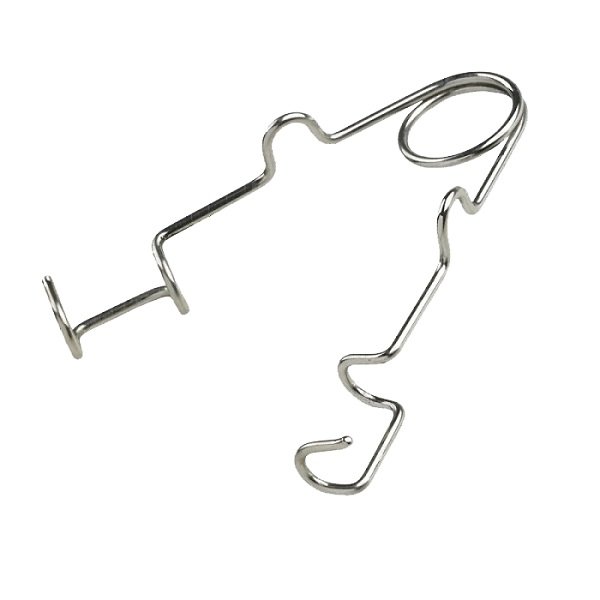
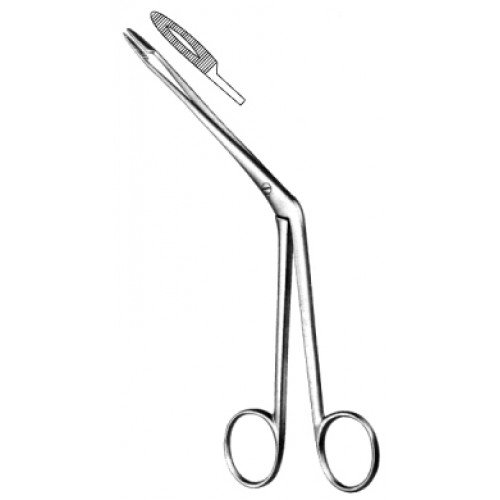
RhinologySpeculum Nasal de Palmer (Bowman Eye Specula), Palmer Spengler Nasal Specula
25048•Made to order
Request quote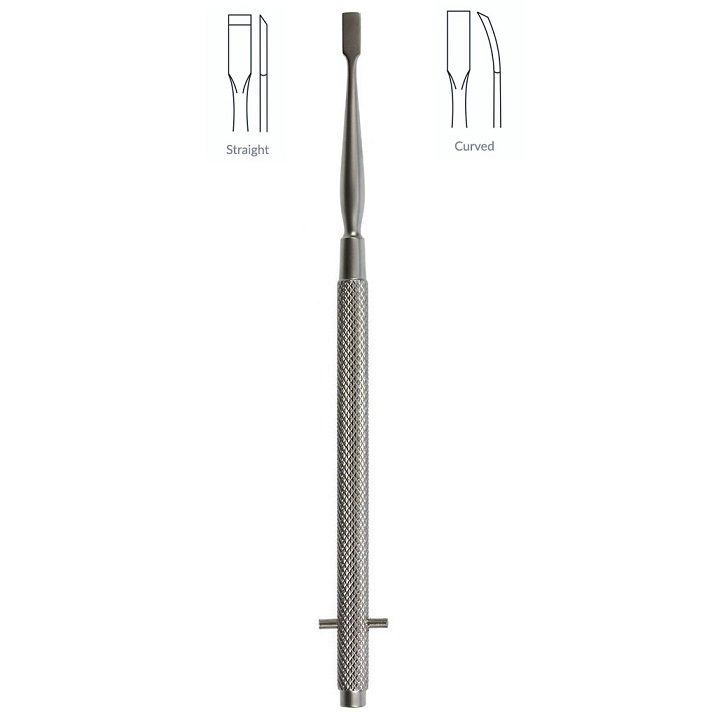
RhinologyFreer Septum Cutting Chisel, Curved, Blade Width 4mm, 16.5cm
26704•Made to order
Request quote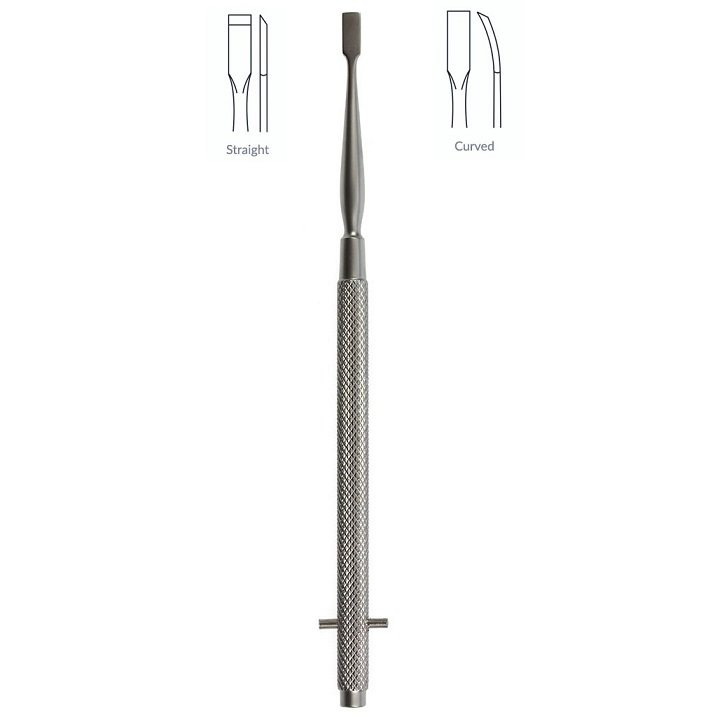
RhinologyFreer Septum Cutting Chisel, Straight, Blade Width 4mm, 16.5cm
26706•Made to order
Request quote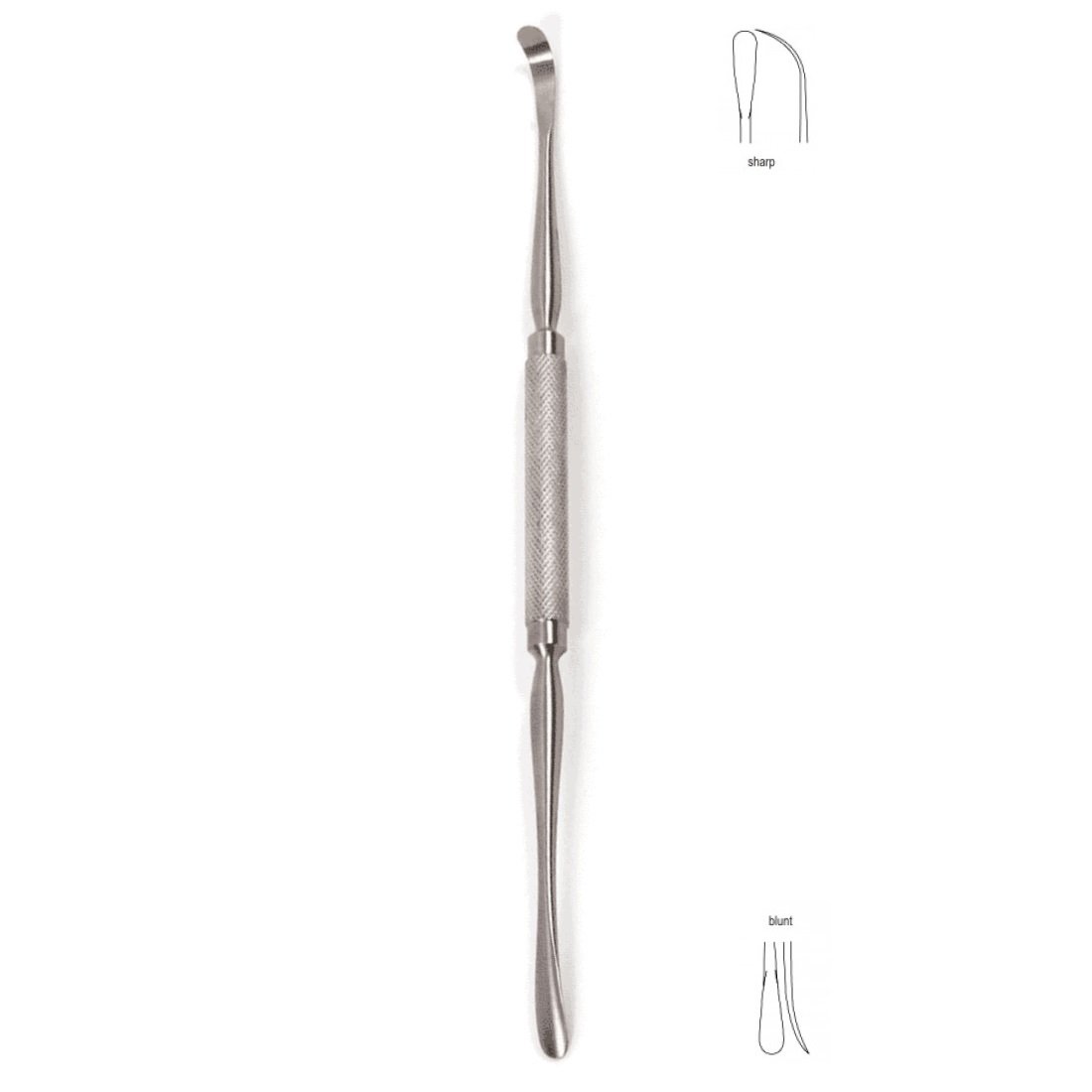
RhinologyFreer Separator and Elevator Double Ended, sharp-blunt, 20.5cm
27805•Made to order
Request quote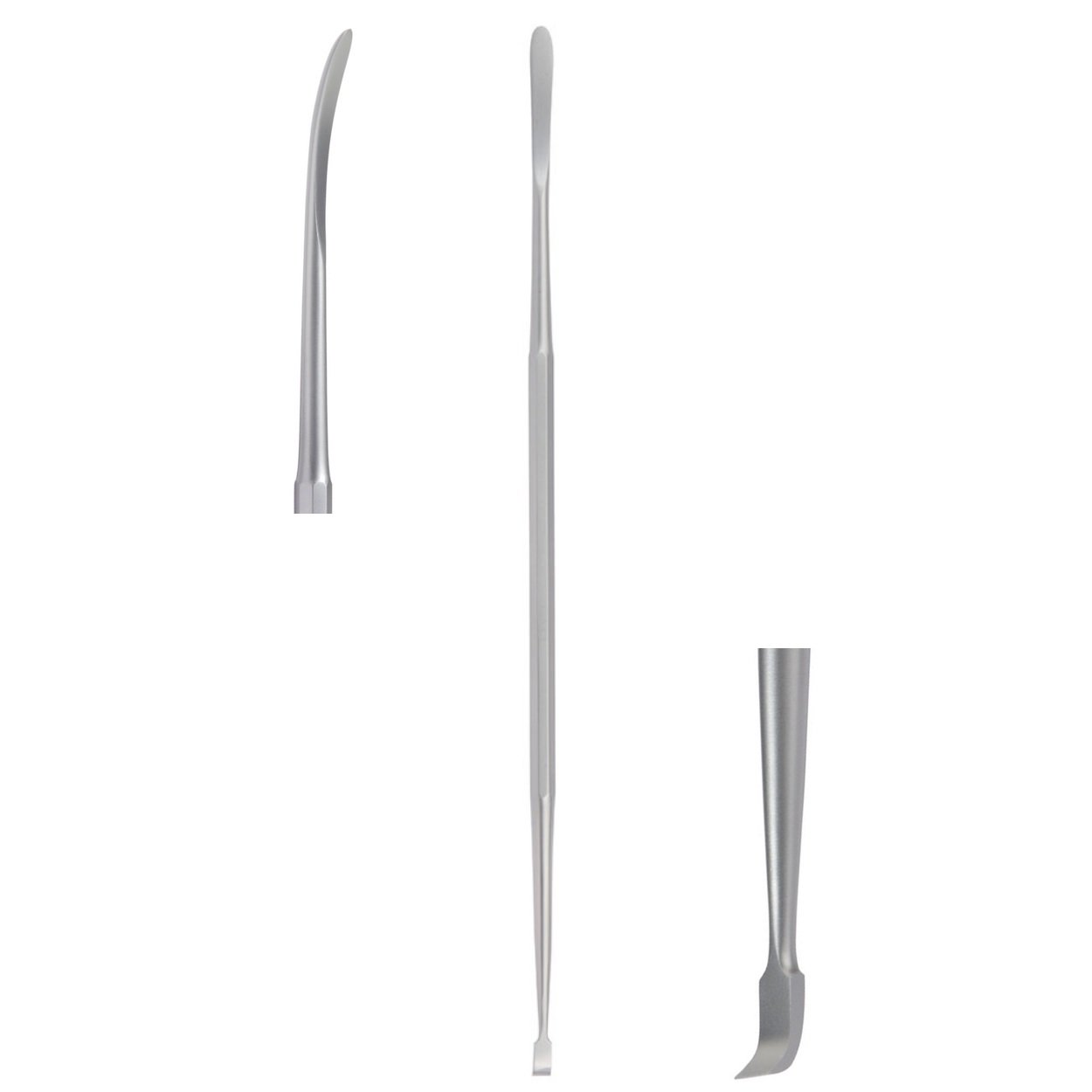
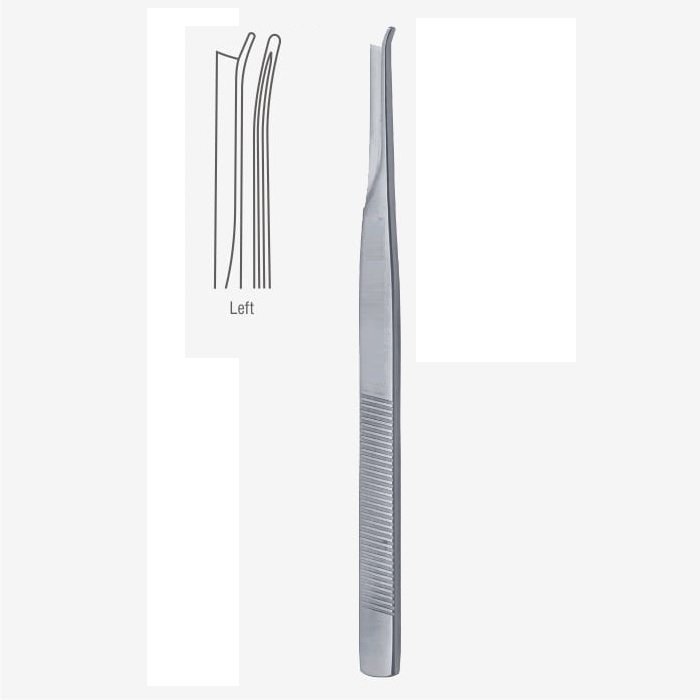
RhinologySilver (Frenchay) Nasal Bone Cutting Chisel, With Side Probe Guard, Left, Blade Width 5mm, 18cm
28651•Made to order
Request quote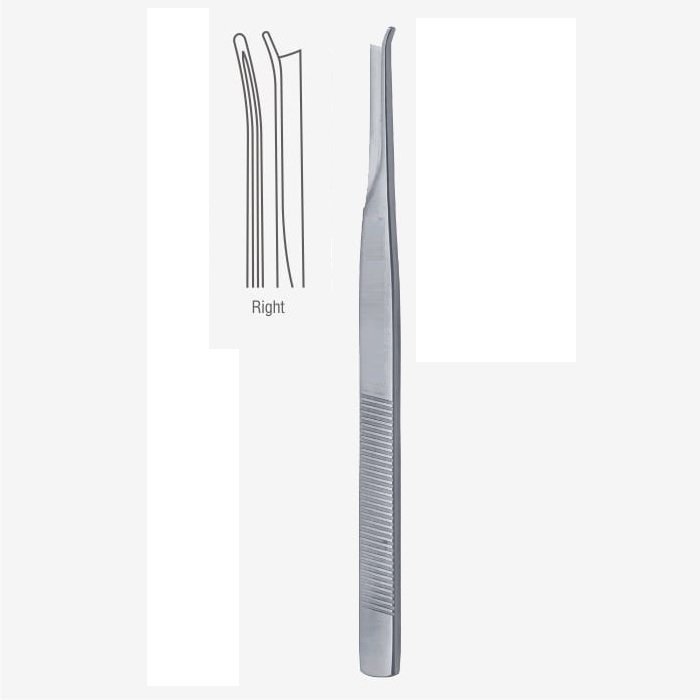
RhinologySilver (Frenchay) Nasal Bone Cutting Chisel, With Side Probe Guard, Right, Blade Width 5mm, 18cm
28653•Made to order
Request quote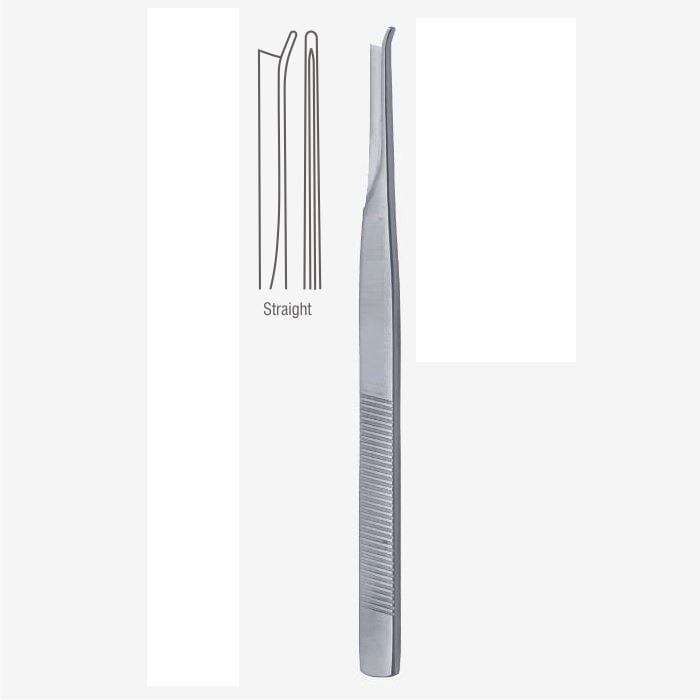
RhinologySilver (Frenchay) Nasal Bone Cutting Chisel, With Side Probe Guard, Straight, Blade Width 5mm, 18cm
28655•Made to order
Request quote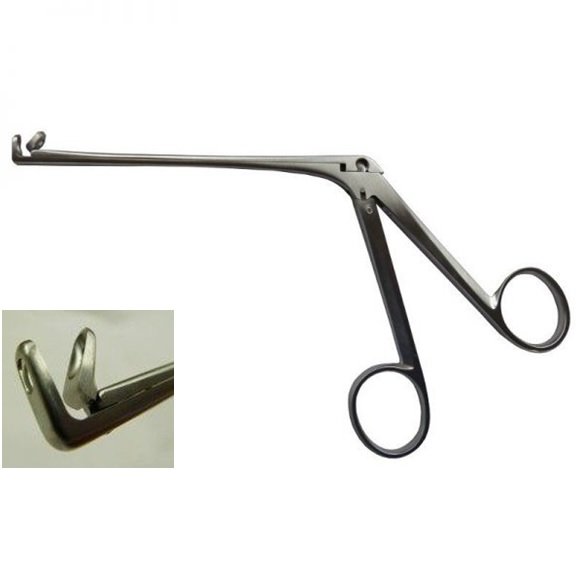
RhinologyBlakesley Wilde Nasal Forceps, 90 Degree Upturned, Size 2, Working Length 11cm
31648•Made to order
Request quote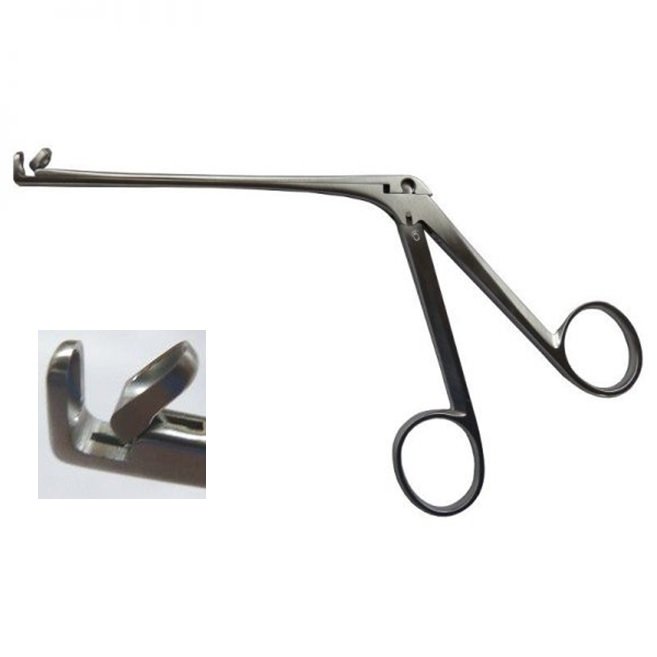
RhinologyBlakesley Wilde Nasal Forceps, 90 Degree Upturned, Size 3, Working Length 11cm
31650•Made to order
Request quote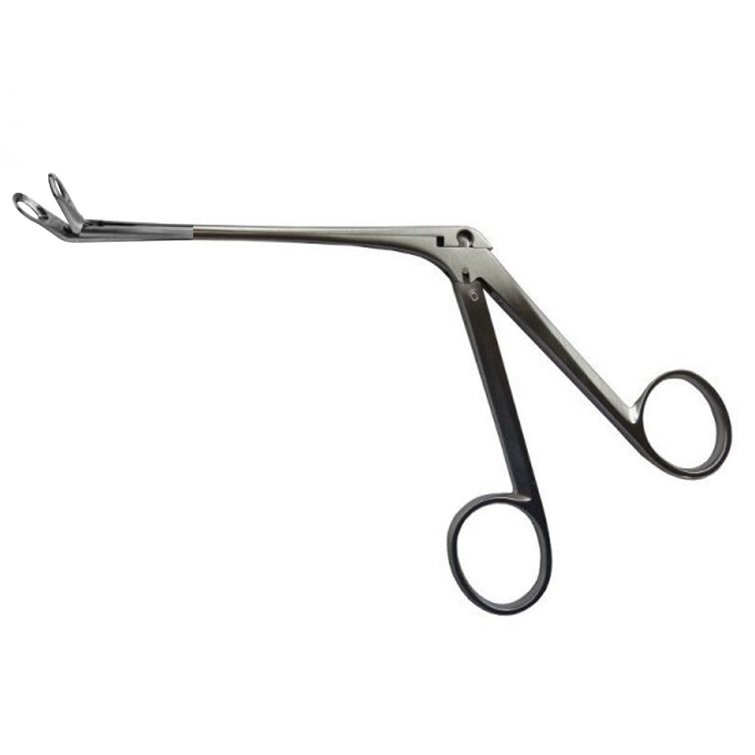
RhinologyBlakesley Wigand Nasal Forceps, 60 Degree Upturned Long Jaws 6X20mm, working length 11cm
31655•Made to order
Request quote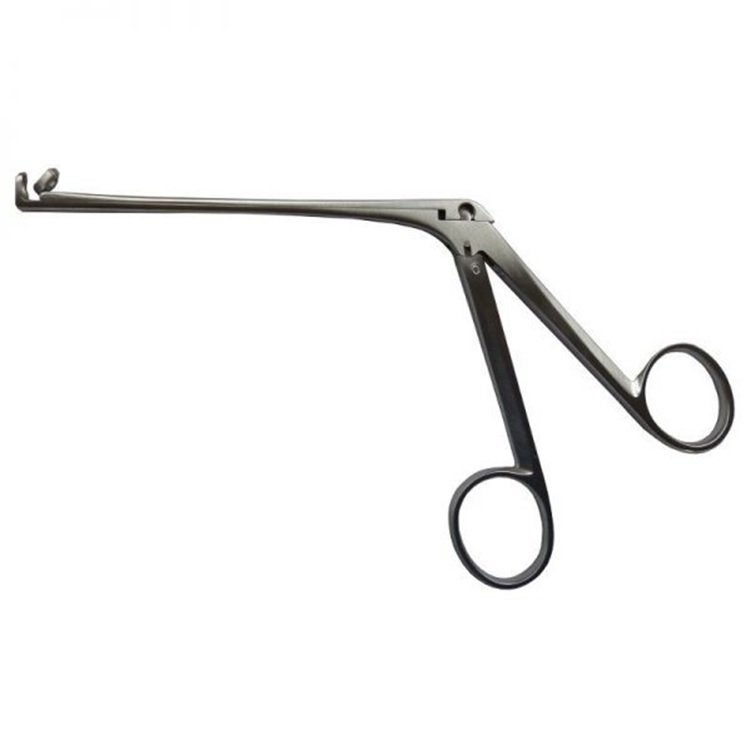
RhinologyBlakesley Wilde Nasal Forceps, 90 Degree Upturned, Size 2, Working Length 13cm
31657•Made to order
Request quote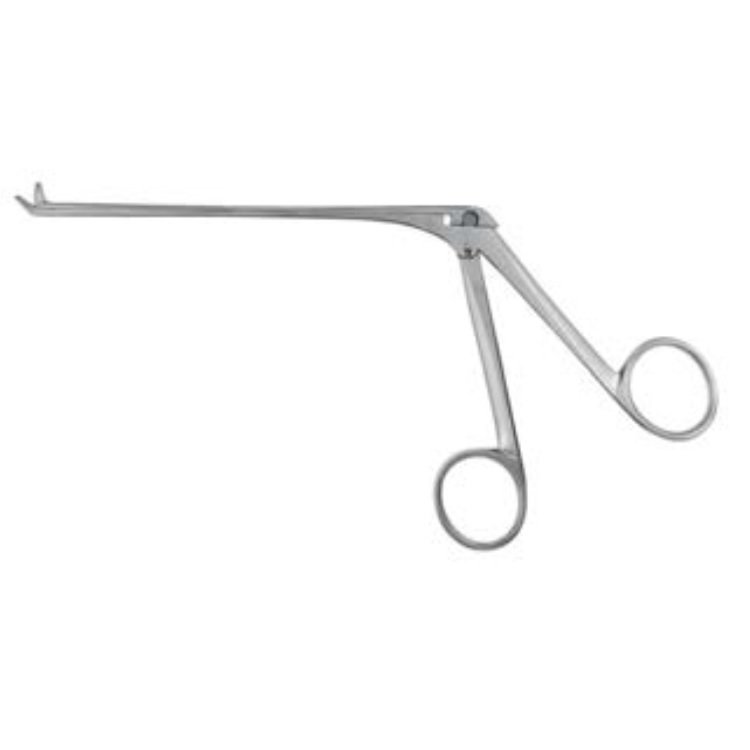
RhinologyBlakesley Wilde Nasal Forceps, 45 Degree Upturned, Size 1, Working Length 11cm
31659•Made to order
Request quote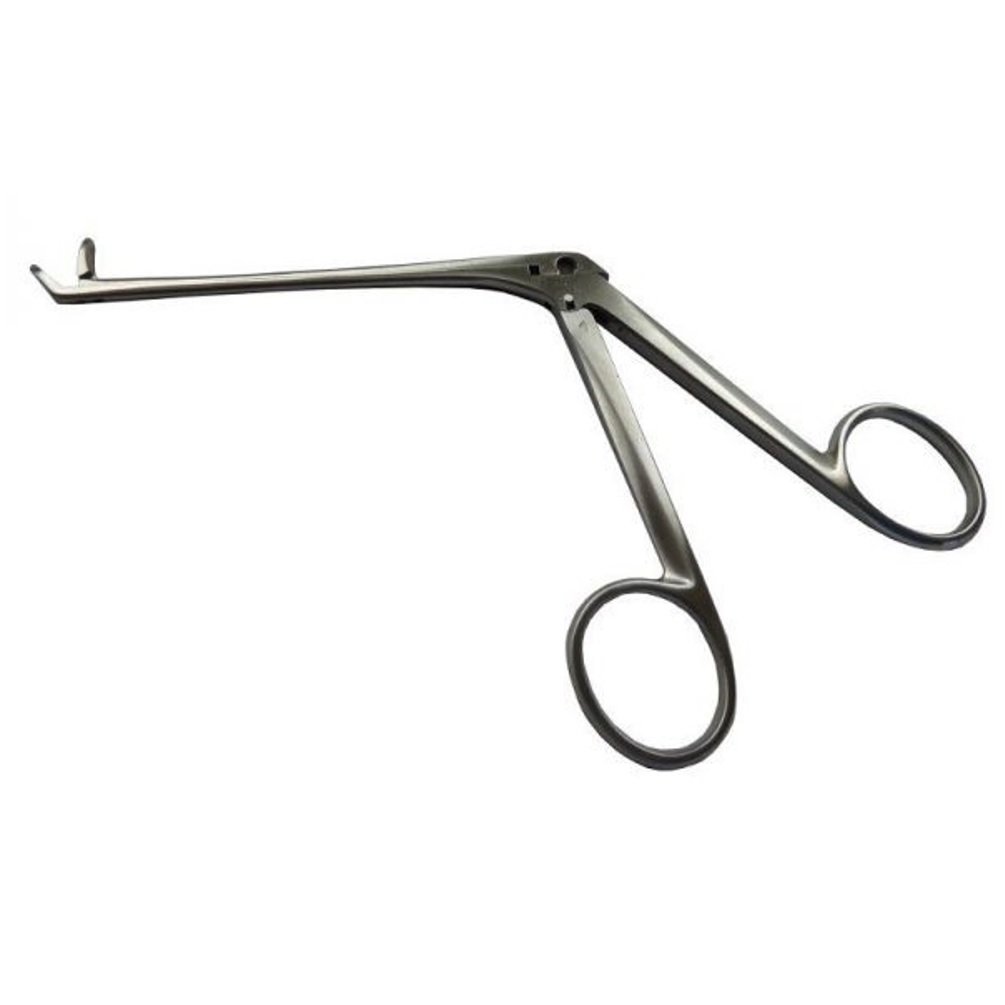
RhinologyBlakesley Nasal Forceps, 45 Degree Upturned, Size 3, Working Length 11cm
31661•Made to order
Request quote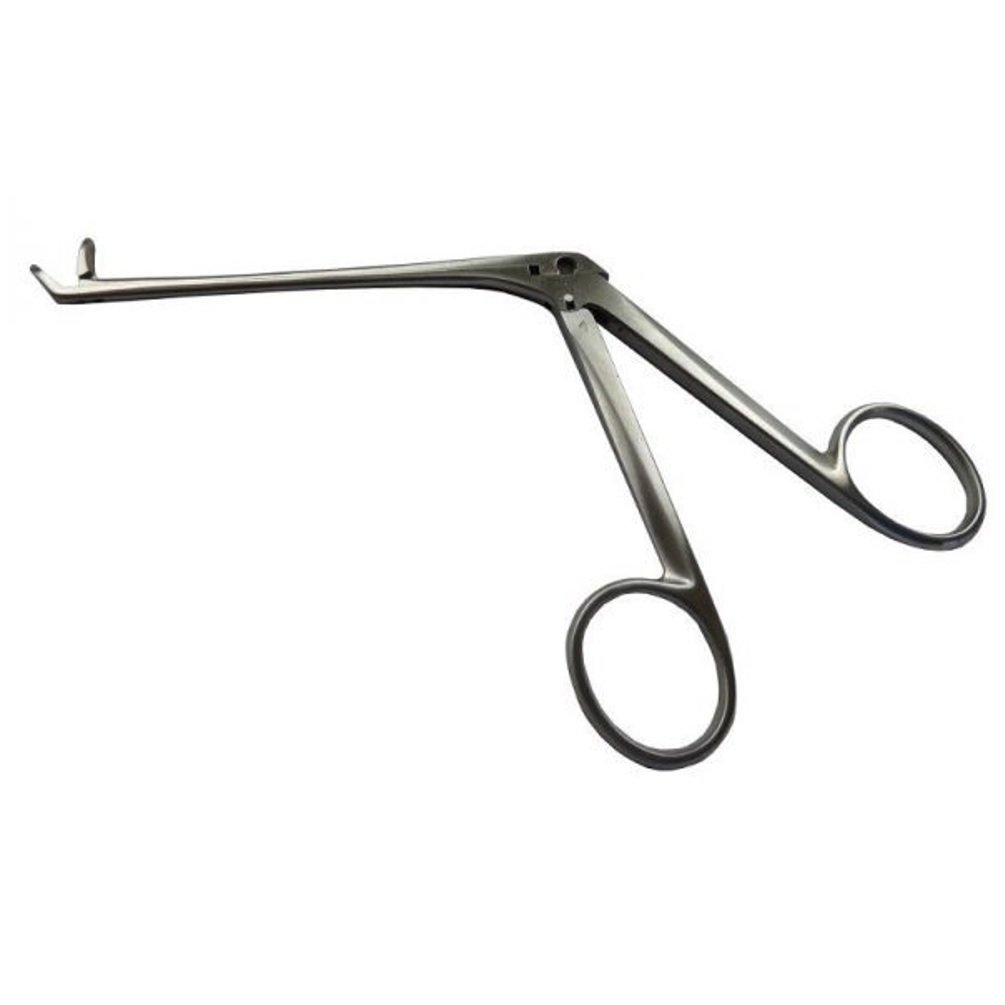
RhinologyBlakesley Nasal Forceps, 45 Degree Upturned, Size 2, Working Length 12.5cm
31665•Made to order
Request quote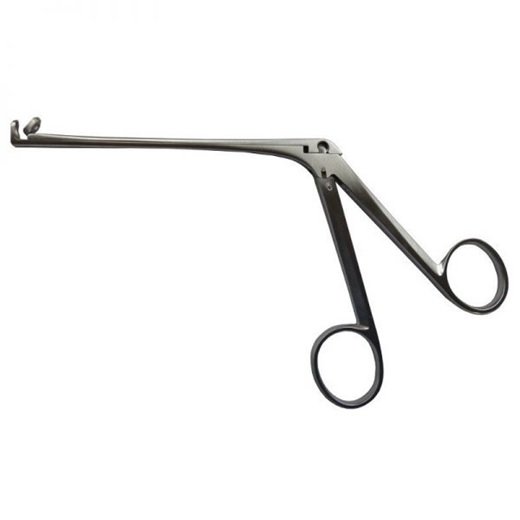
RhinologyBlakesley Wilde Nasal Forceps, 90 Degree Upturned, Size 3, Working Length 13cm
31667•Made to order
Request quote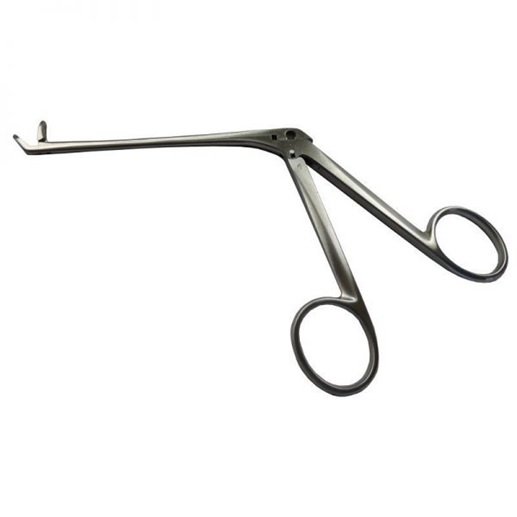
RhinologyBlakesley Wide Nasal Forceps, 45 Degree Upturned, Size 2, Working Length 11cm
31670•Made to order
Request quote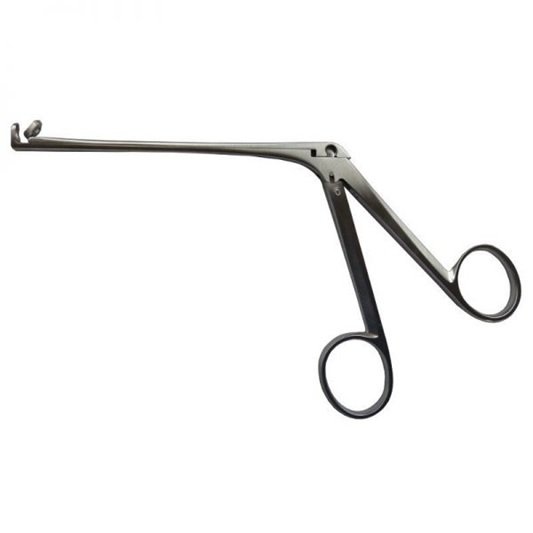
Technical buyer guide
Procurement considerations for rhinology
- Working-end width, angle, and curvature
- Named pattern and handle form
- Magnified tip and edge inspection
- Protective packaging for fine ends
Buyer FAQs
What reference is best for a custom rhinology instrument?
A dimensioned drawing or controlled sample is preferable when catalog names do not fully describe the working geometry, curvature, and tip size.
How should fine nasal tips be protected?
The agreed packaging should prevent contact or movement that could damage the working end during normal handling and transport.