Instrument catalog
Dressing & Tissue Forceps
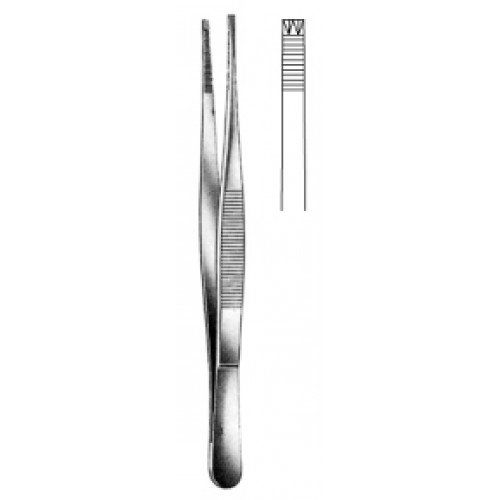
Dressing and tissue forceps are identified by length, straight or angled form, tip width, tooth configuration, serration, and named pattern. Dressing and tissue versions that share an outline may have materially different working ends.
Procurement checks should cover tip opposition, tooth engagement where present, symmetry, spring tension, serration quality, finish, and marking. Buyer samples are useful where tactile expectations are important.
Showing 145–168 of 305 instruments
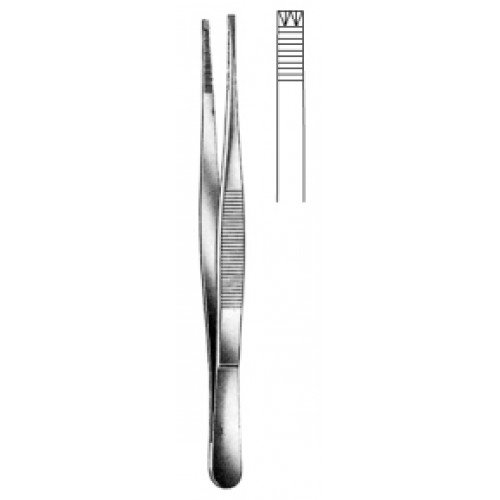
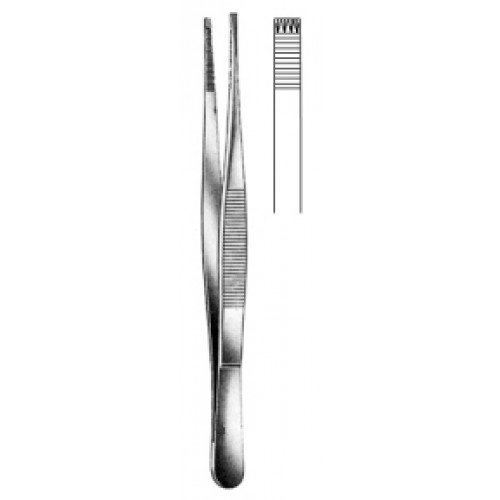
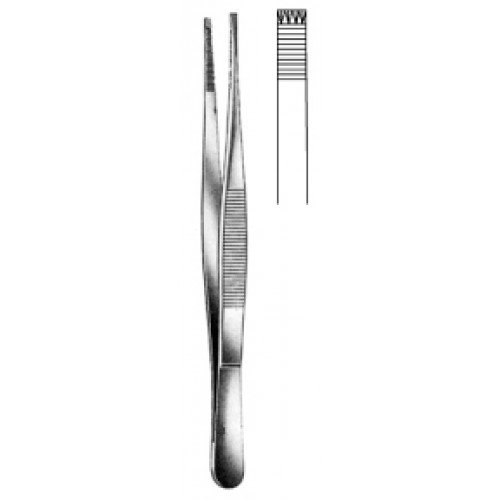
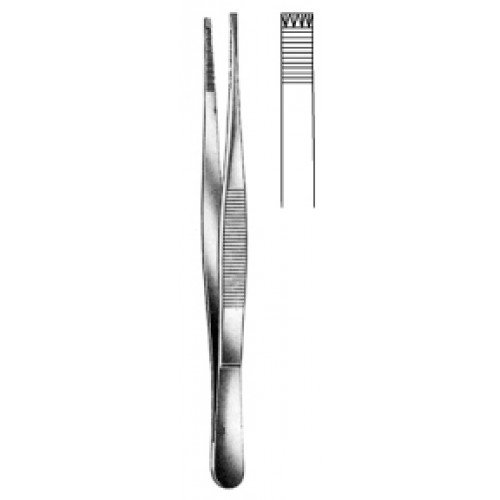
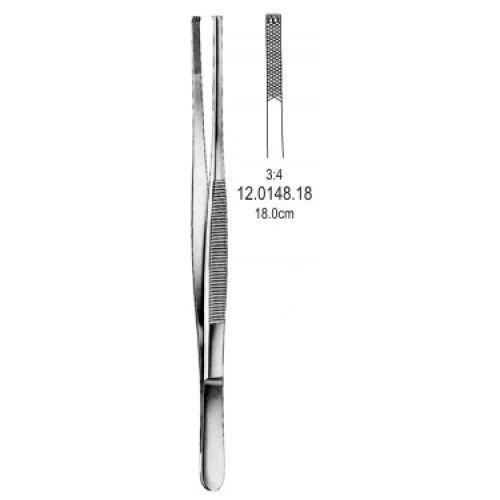
Dressing & Tissue ForcepsStille Barraya Tissue Forceps, 3×4 Teeth, 18cm
4140•Made to order
Request quote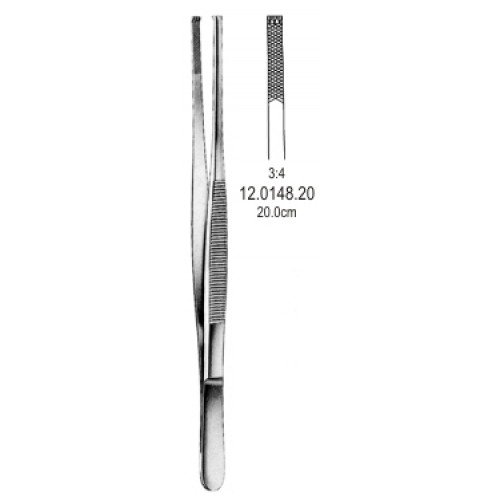
Dressing & Tissue ForcepsStille Barraya Tissue Forceps, 3×4 Teeth, 20cm
4142•Made to order
Request quote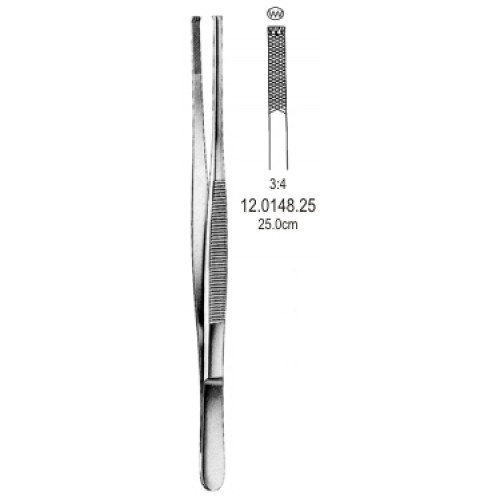
Dressing & Tissue ForcepsStille Barraya Tissue Forceps, 4×5 Teeth, 25cm
4144•Made to order
Request quote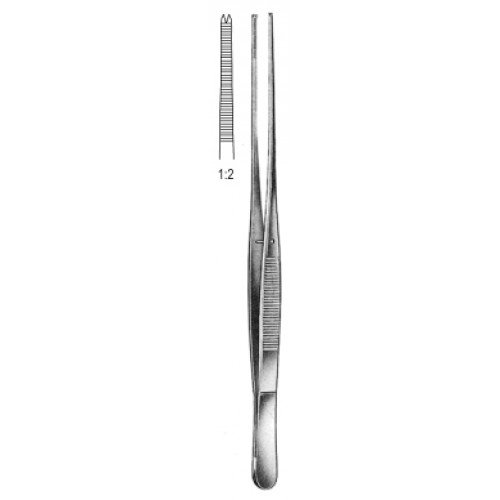
Dressing & Tissue ForcepsBrophy Tissue Forceps, Straight, Serrated jaws, 1×2 Teeth, 20cm
4146•Made to order
Request quote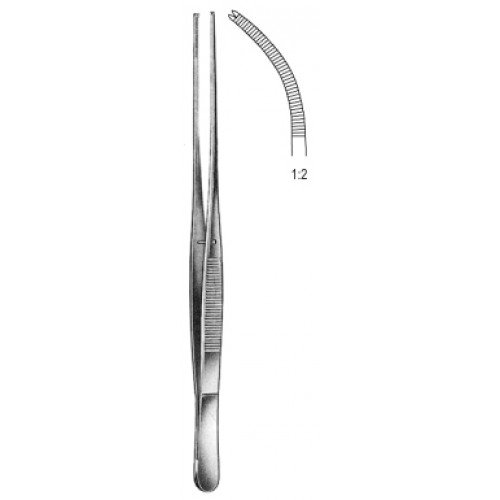
Dressing & Tissue ForcepsBrophy Tissue Forceps, Curved, Serrated Jaws, 1×2 Teeth, 20cm
4148•Made to order
Request quote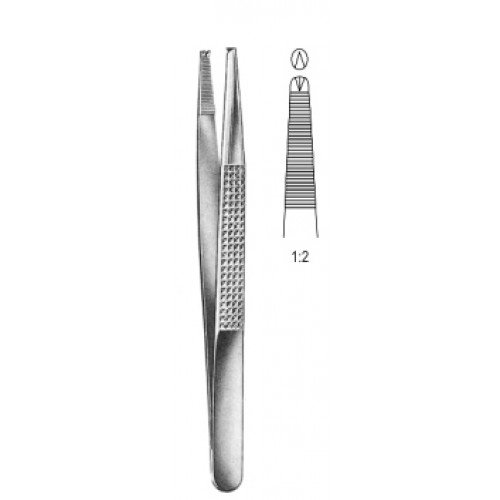
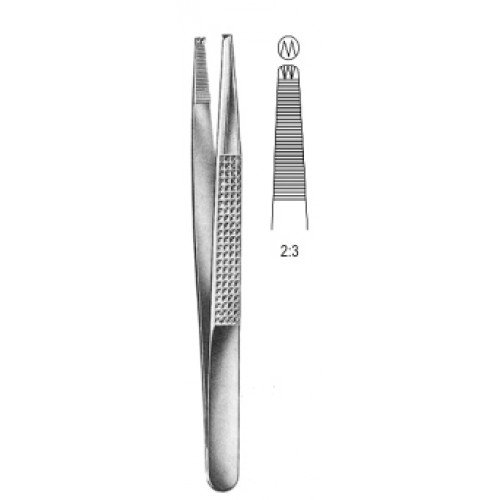

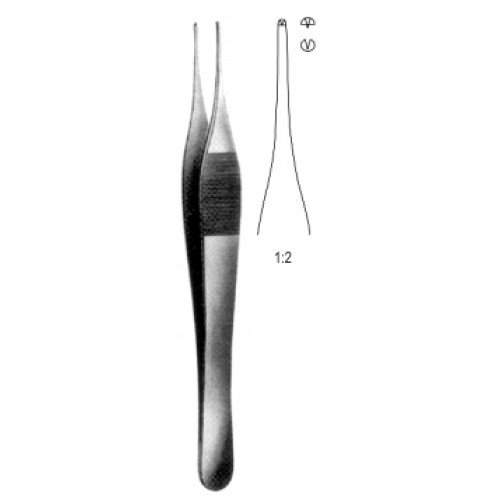
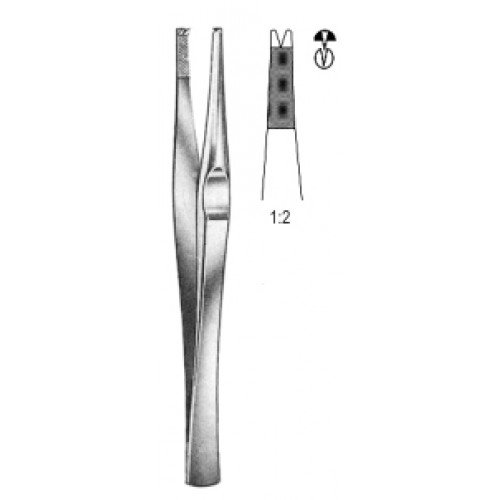
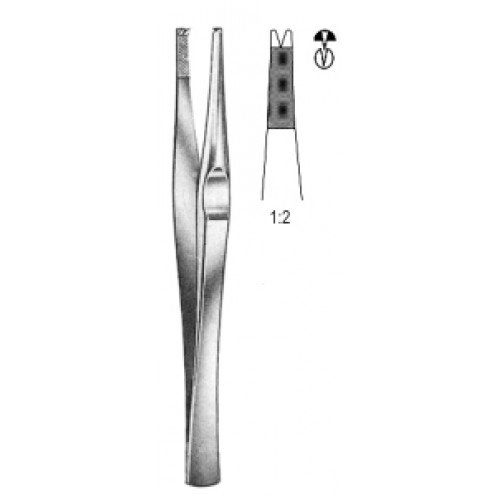
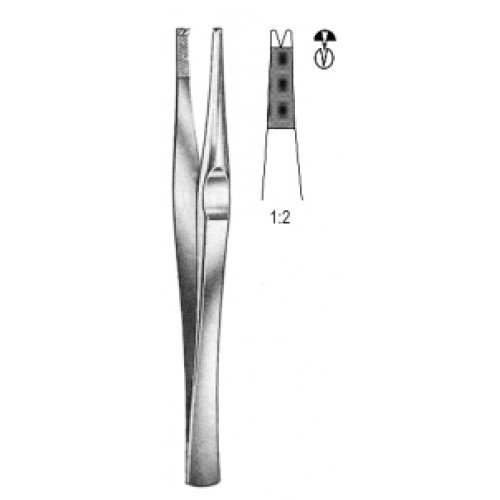
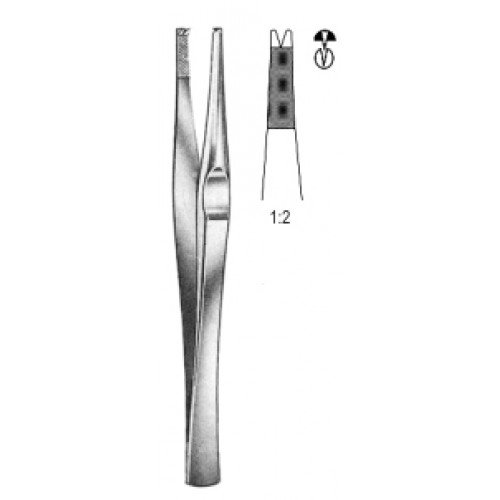
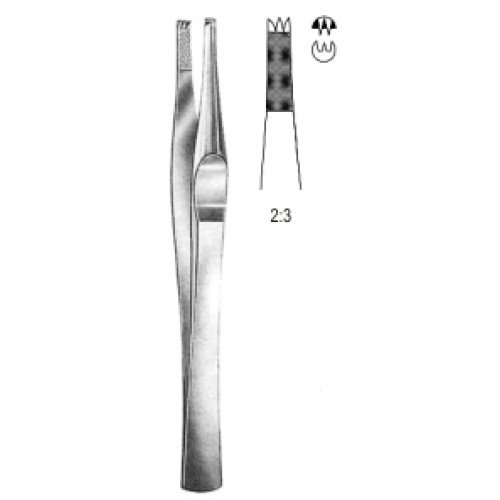
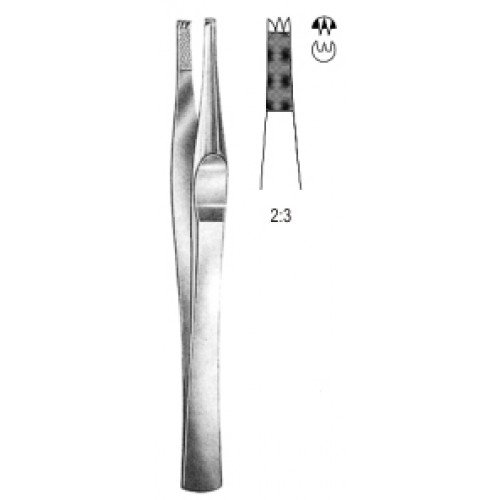
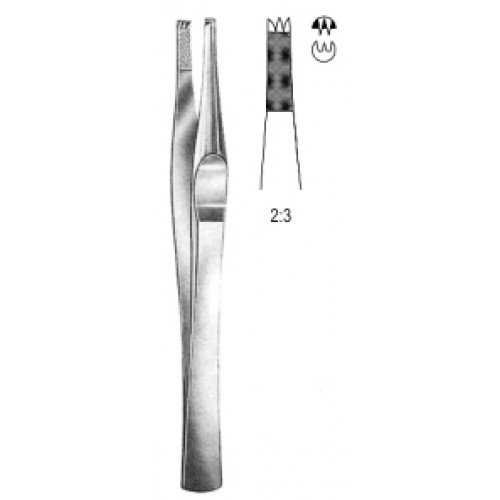
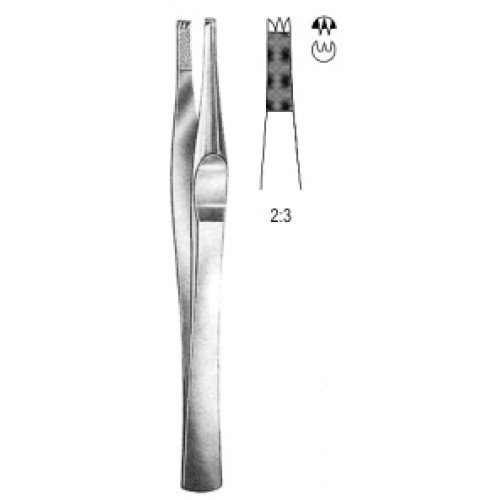
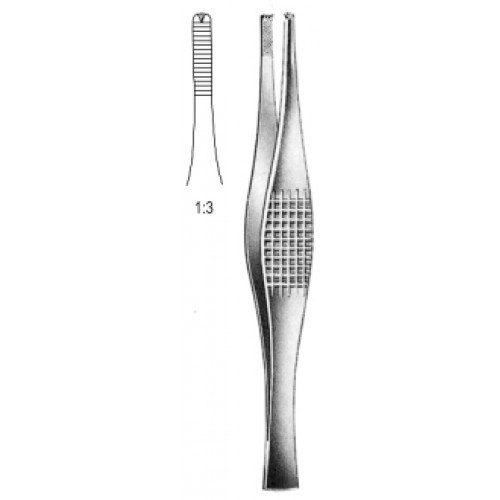
Dressing & Tissue ForcepsFerris Smith Tissue Forceps, 1×2 Teeth, 18cm
4174•Made to order
Request quote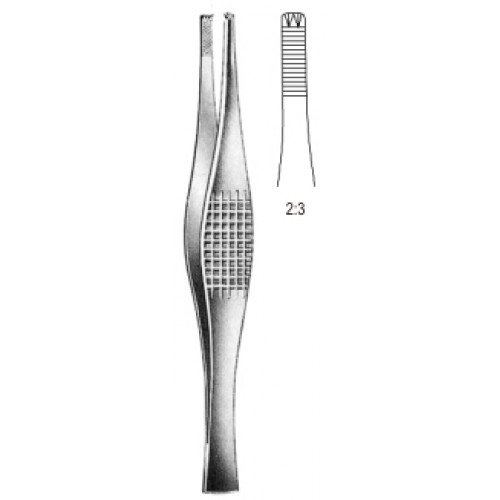
Dressing & Tissue ForcepsFerris Smith Tissue Forceps, 2×3 Teeth, 18cm
4176•Made to order
Request quoteTechnical buyer guide
Procurement considerations for dressing & tissue forceps
- Dressing or tissue working end
- Tip width and tooth count
- Length and form
- Opposition and spring tension
Buyer FAQs
What distinguishes dressing from tissue forceps in an RFQ?
State the exact working-end configuration, including serrations or teeth, rather than relying only on the family name.
How is tip alignment checked?
The inspection method should confirm opposition or tooth engagement without unintended crossing or visible asymmetry.