Instrument catalog
Cardiovascular
The cardiovascular range includes clamps, forceps, scissors, needle holders, dilators, hooks, retractors, and vessel-related patterns. Many instruments have closely related forms, so the named pattern alone is not a complete purchasing specification.
Buyers should document working-end geometry, jaw or tip profile, curvature, length, handle and lock configuration, finish, and any atraumatic-serration requirement. Final suitability and market documentation must be reviewed for the intended procurement program.
Showing 193–216 of 415 instruments
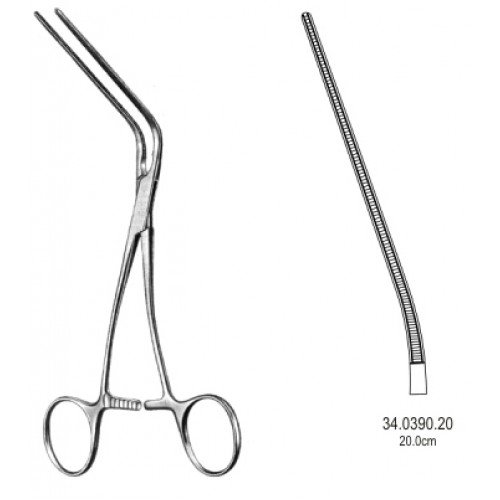
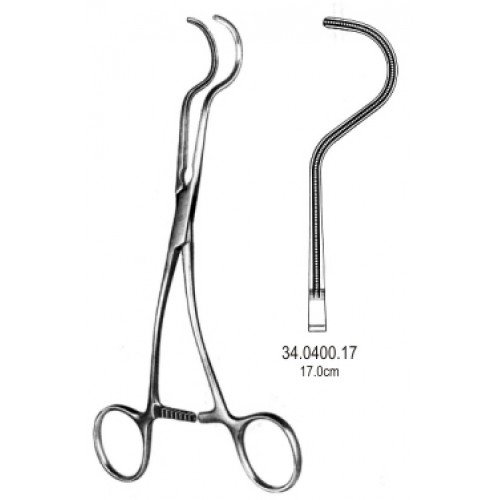
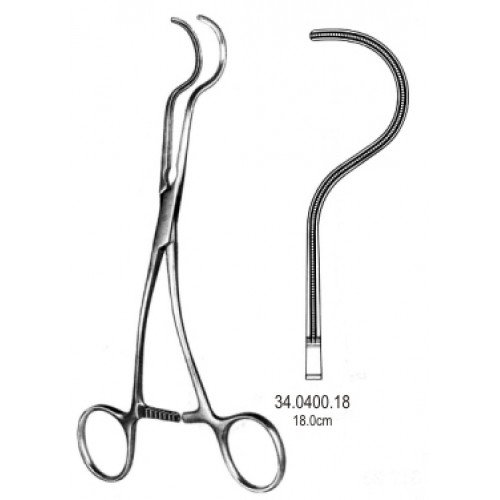
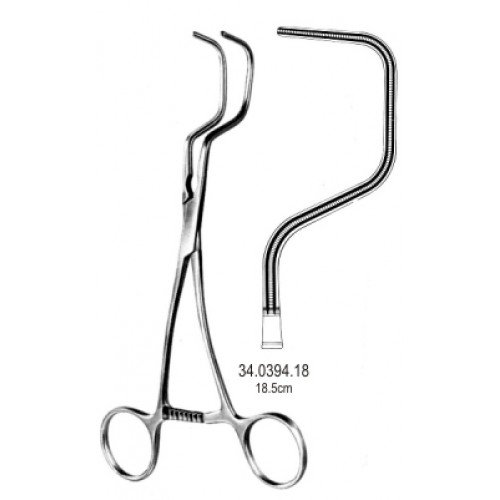
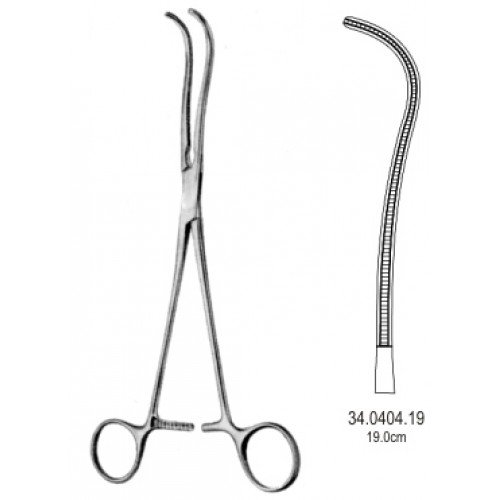
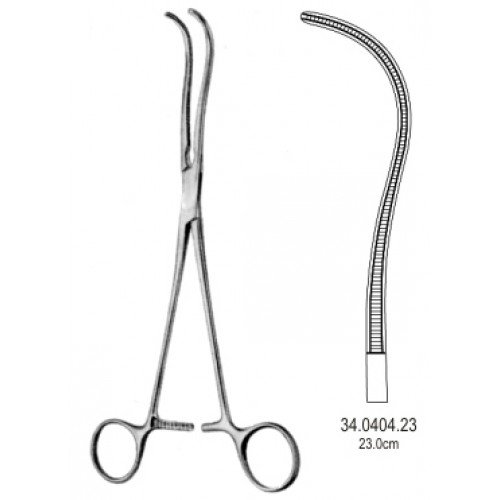

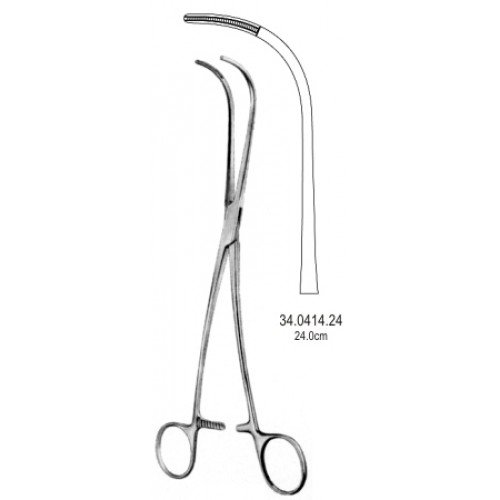
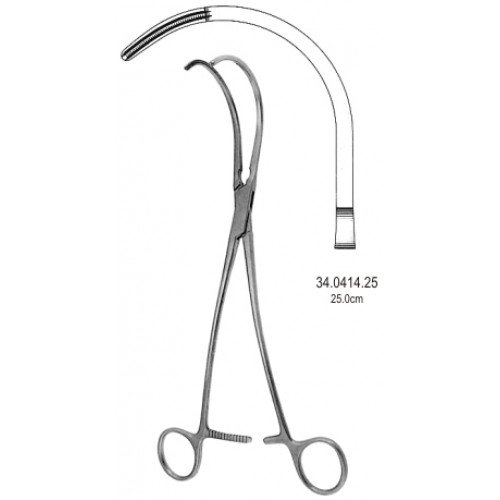
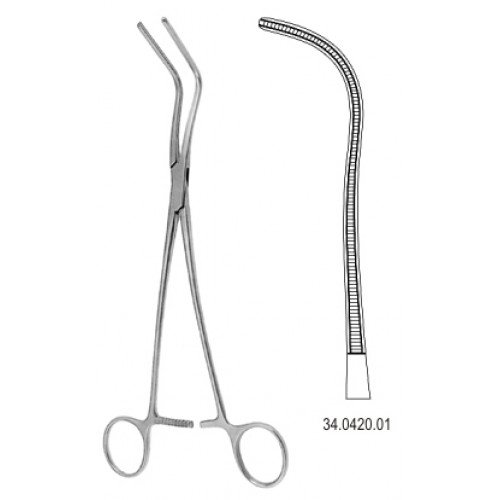
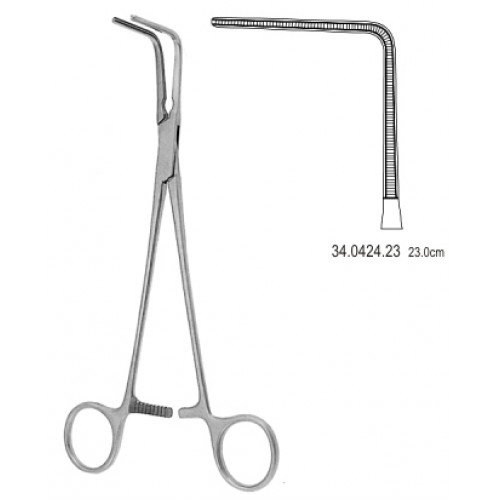
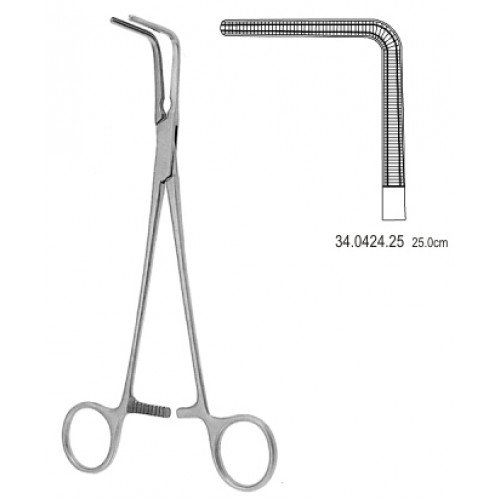
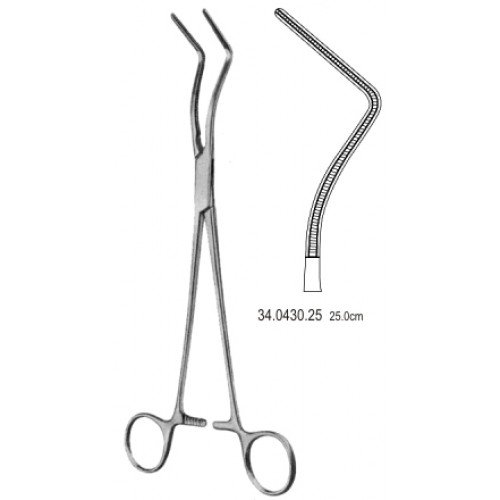
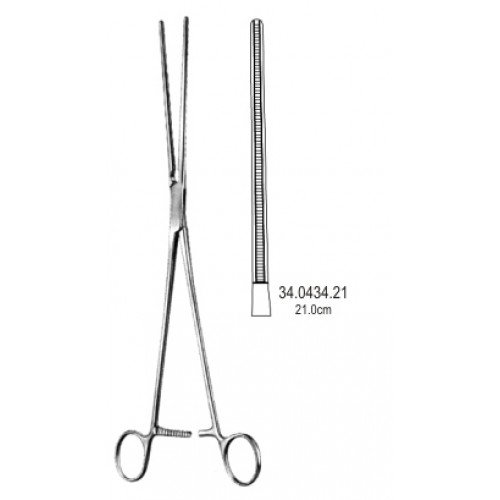
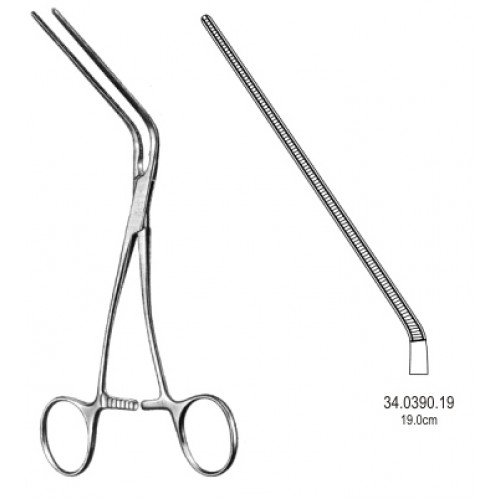
CardiovascularPotts Atraumatic Blood Vessel Forceps, Straight, 21.5cm
11489•Made to order
Request quote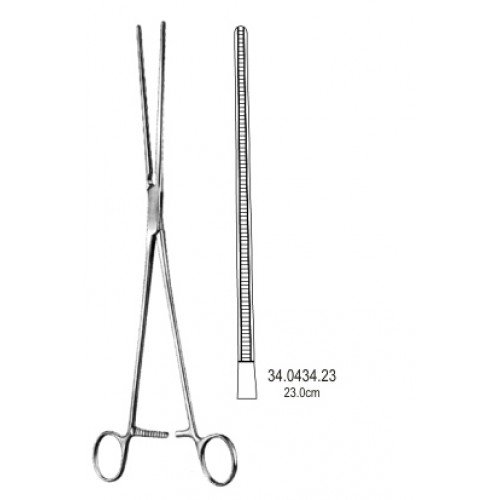
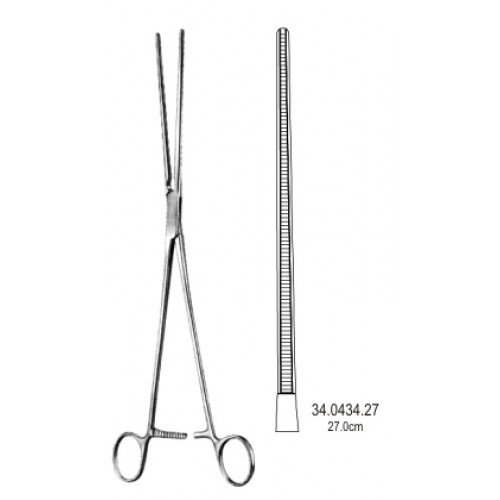
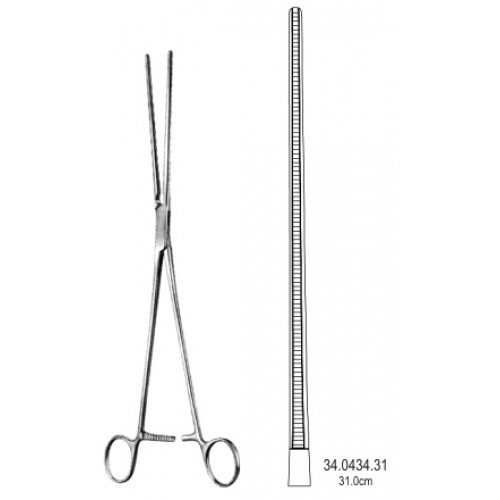
CardiovascularPotts Atraumatic Blood Vessel Forceps, Straight, 31.5cm
11495•Made to order
Request quote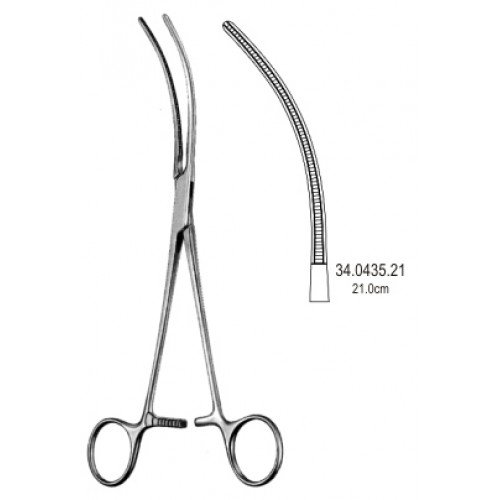
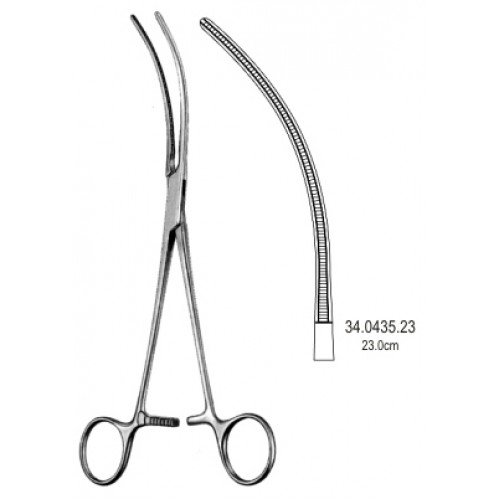
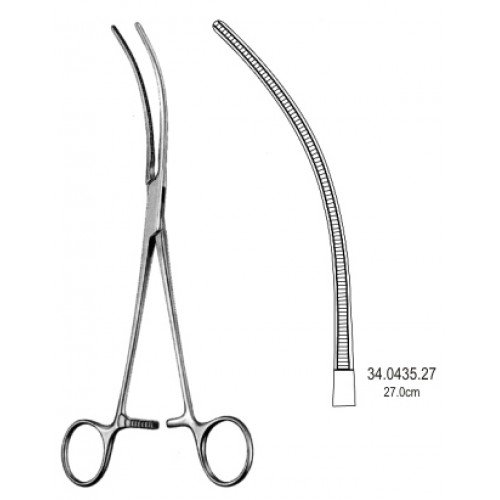
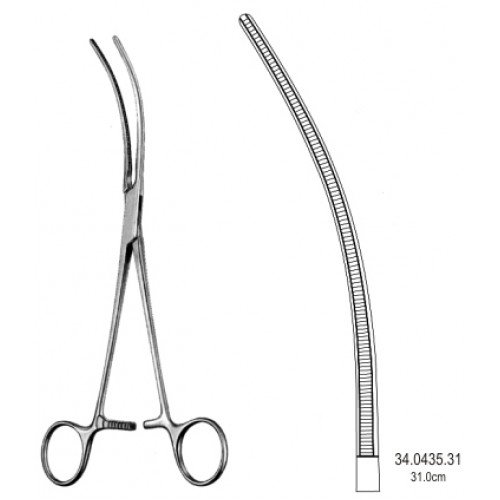
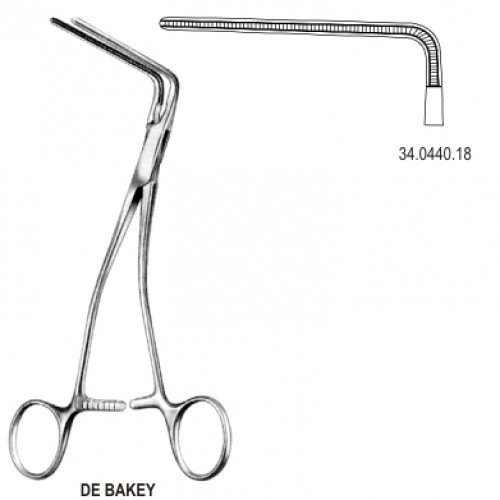
CardiovascularDeBakey Atraumatic Blood Vessel Forceps, 90° degree, 18cm
11505•Made to order
Request quote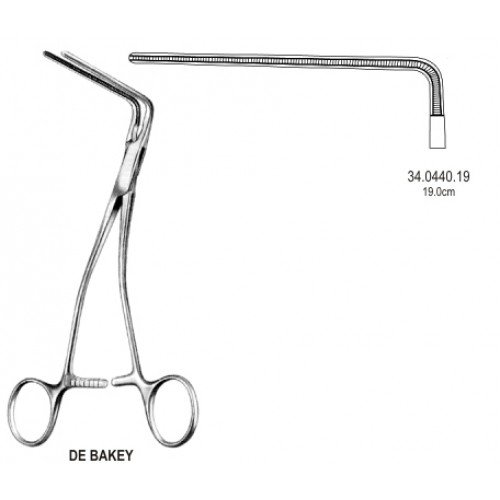
CardiovascularDeBakey Atraumatic Blood Vessel Forceps, 90° degree, 19cm
11507•Made to order
Request quoteTechnical buyer guide
Procurement considerations for cardiovascular
- Working-end and curvature
- Jaw or tip profile
- Handle and locking form
- Inspection and documentation scope
Buyer FAQs
Why is a sample important for cardiovascular patterns?
Small differences in jaw geometry, curvature, and handle feel can distinguish visually similar patterns; an approved sample establishes a clearer reference.
Are documentation needs the same for every market?
No. Buyers should state the destination market and required documentation before quotation acceptance.