Instrument catalog
Bone Curettes
Bone curettes remove and contour bone and soft tissue. Working-end size, angulation, spoon or cup profile, shank form, and handle configuration are the main identifiers, and left/right or angle variants should be stated.
Buyers should record working-end dimensions and define edge condition and functional acceptance appropriate to the instrument. Fine edges benefit from protective packaging during transport.
Showing 1–8 of 8 instruments
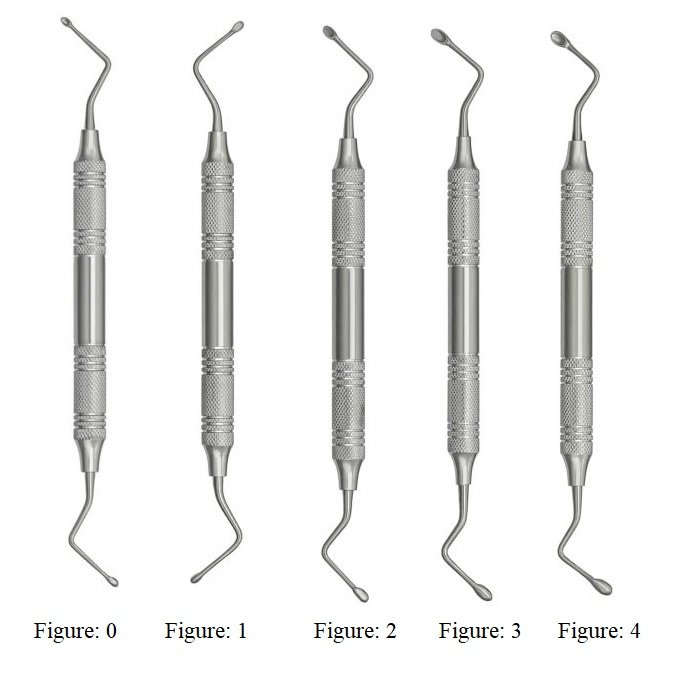
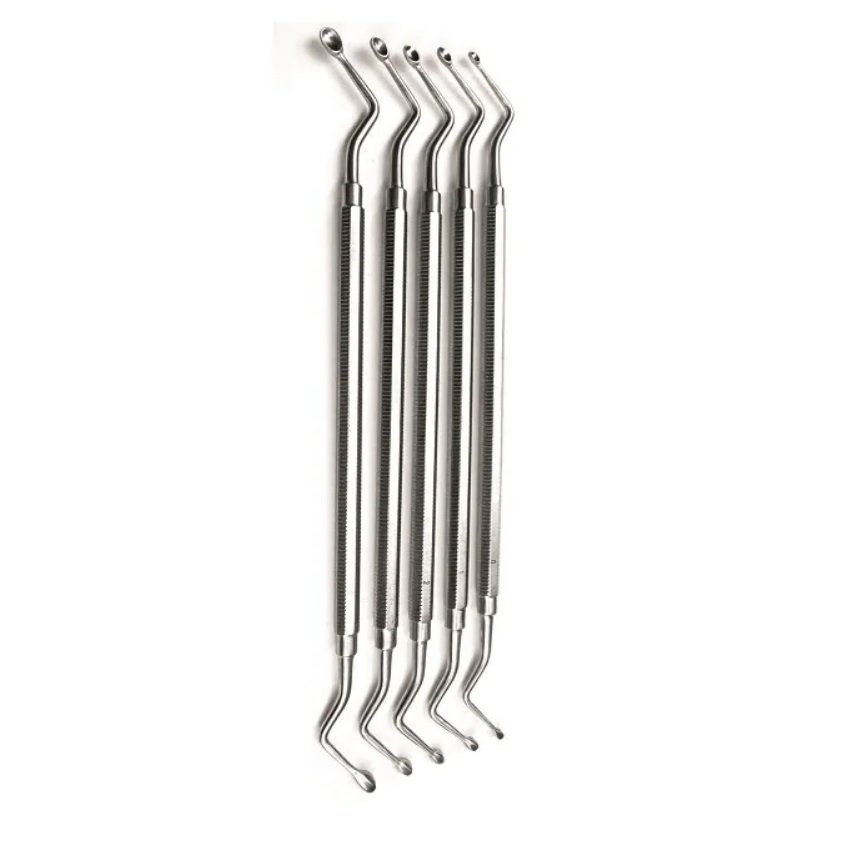
Bone CurettesHemingway Bone Curette, Doulbe Ended, Hollow Handle, Set of 5
28338•Made to order
Request quote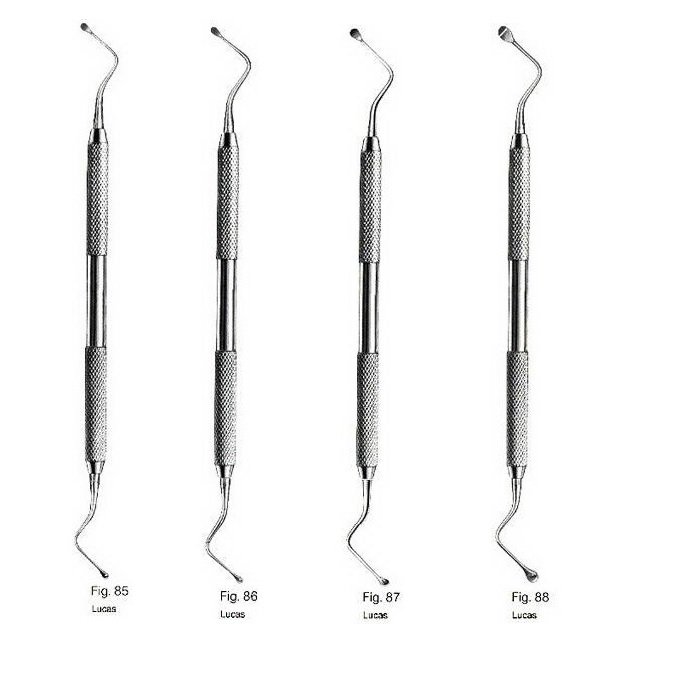
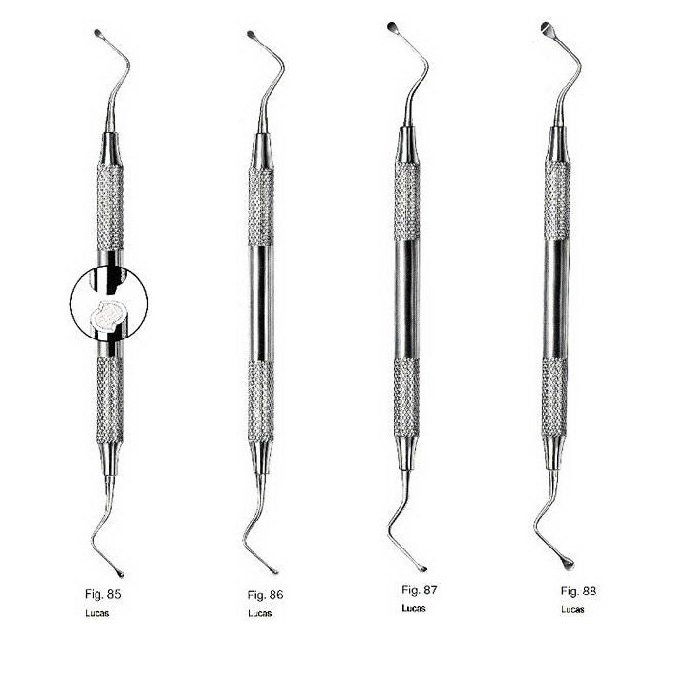
Bone CurettesLucas Bone, Dental, Orthopedic Curettes, Hollow Handle, Set of 4
28347•Made to order
Request quote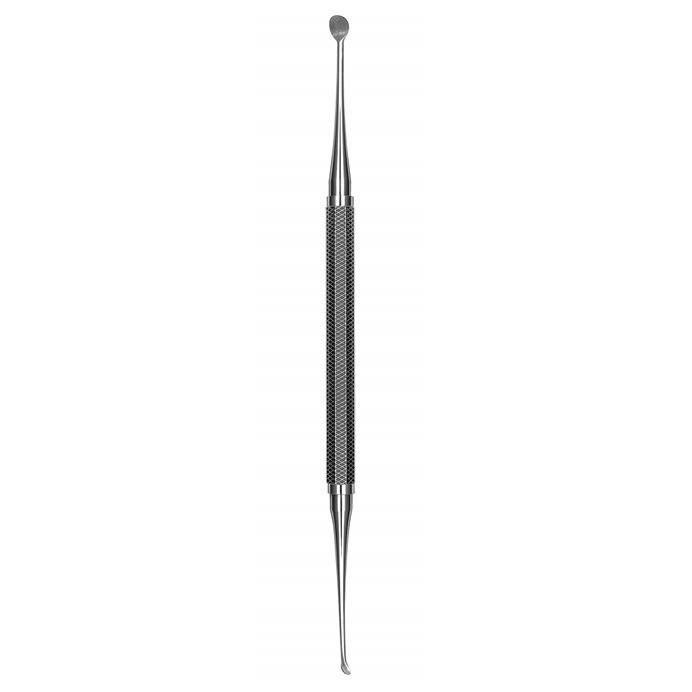
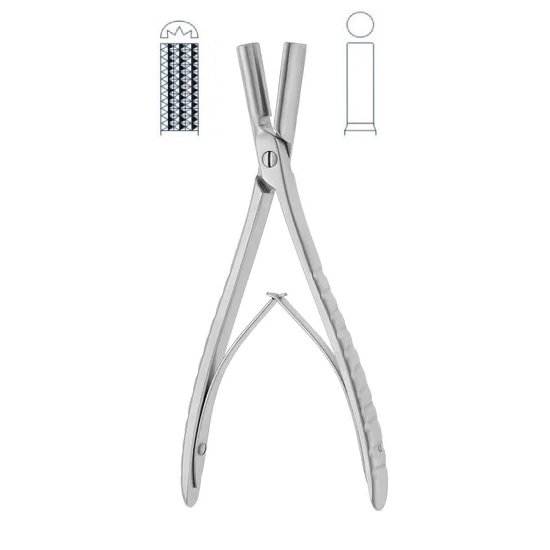
Bone CurettesObwegeser Bone contouring forceps, Concave/Convex, Blade 12mmx30mm, Total Length 17.5cm
32660•Made to order
Request quote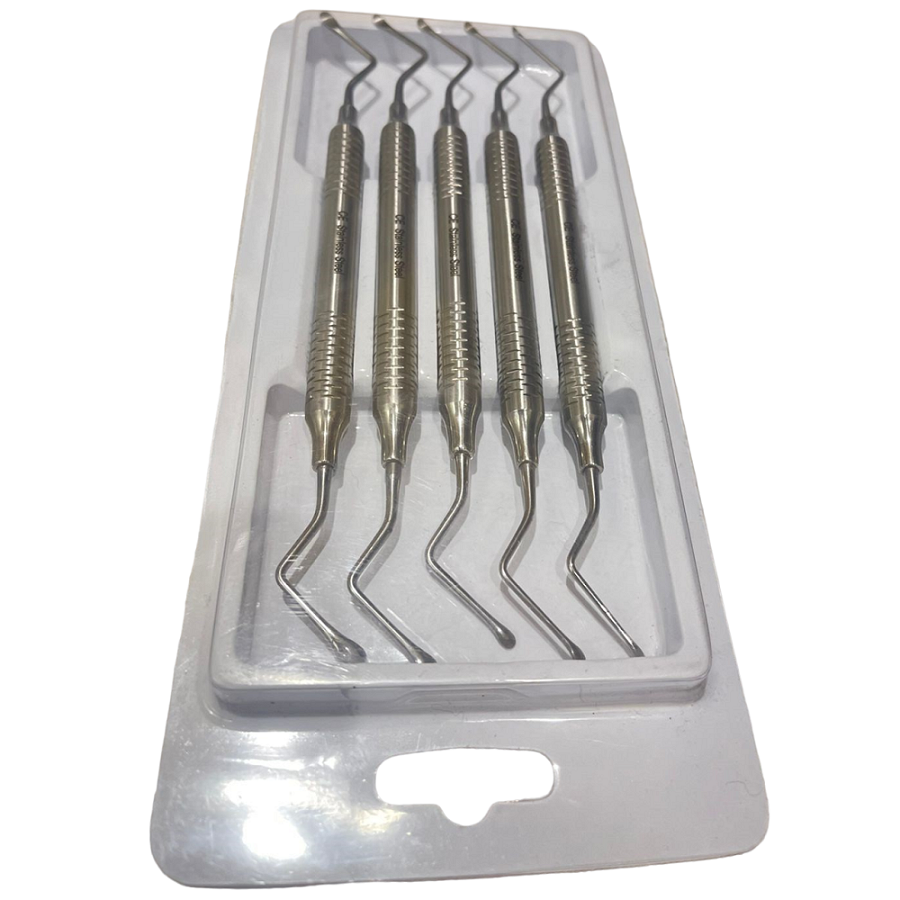
Bone CurettesLucas Bone, Dental, Orthopaedic Curettes, Hollow Handle, Set of 5
33928•Made to order
Request quote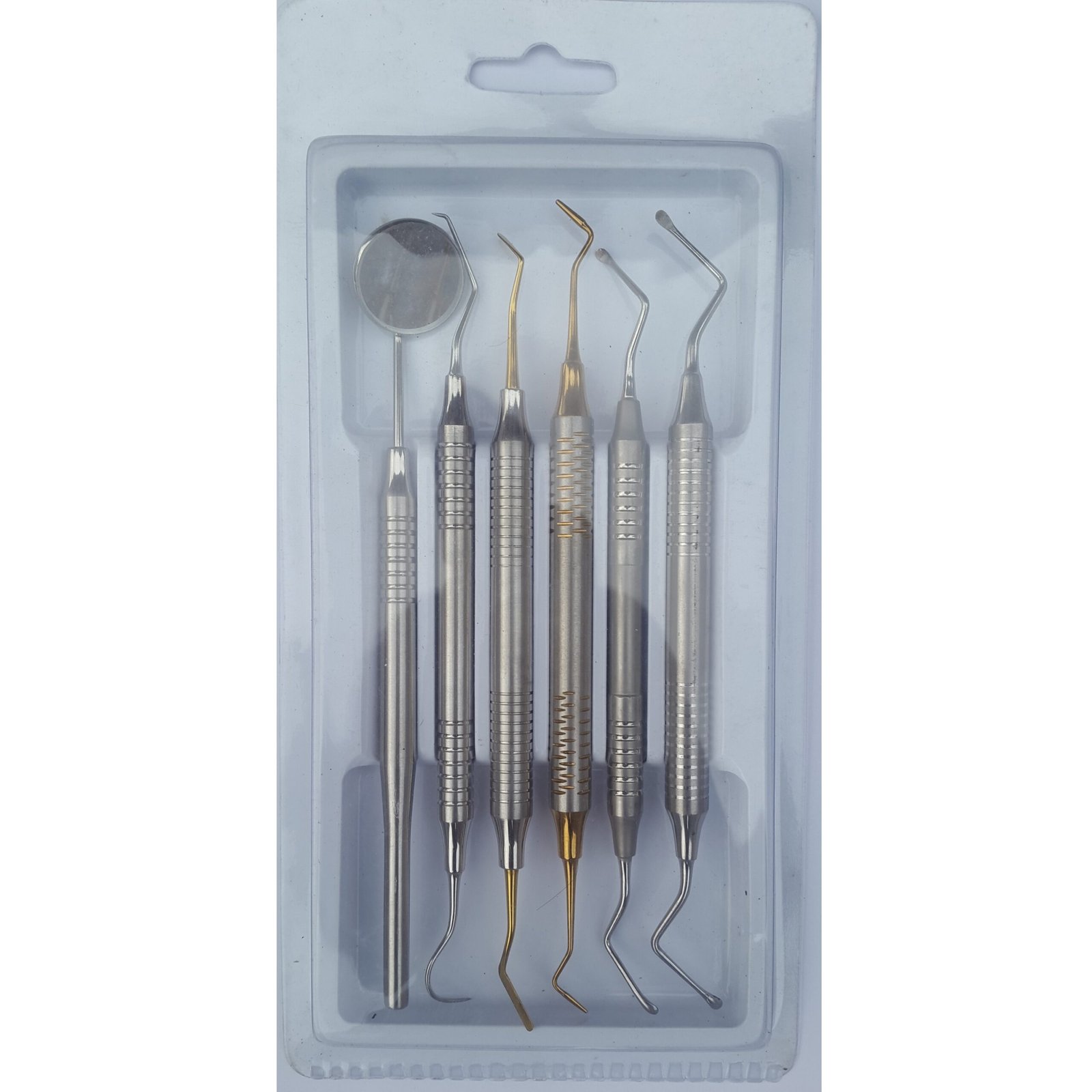
Bone CurettesDental, Orthopaedic Curettes, Scalers and Mirror, Hollow Handle, Set of 6
35662•Made to order
Request quoteTechnical buyer guide
Procurement considerations for bone curettes
- Working-end size and profile
- Angulation and shank form
- Handle configuration
- Edge condition and packaging
Buyer FAQs
How should a bone curette be specified?
State the working-end size, profile, angulation, shank form, handle, finish, and the accepted reference or sample.
Should left/right variants be separate references?
Yes. List each orientation and size as a distinct variant with its own reference.